What are the common troubleshooting tips for electric chain hoists?

Here are some common troubleshooting tips for electric chain hoists:

  1. Check Power Supply
  • Ensure that the hoist is plugged in and that the circuit breaker is not tripped.
  • Verify that the power supply voltage matches the hoist specifications.

2. Inspect Controls

    • Test the control pendant or remote to ensure it’s functioning correctly.
    • Look for any stuck buttons or damaged wiring.

    3. Examine the Chain

      • Inspect the chain for signs of wear, damage, or kinks.
      • Ensure the chain is properly lubricated and aligned.

      4. Check Limit Switches

        • Verify that the limit switches are functioning and not obstructed.
        • Test the switches to ensure they stop the hoist at the appropriate positions.

        5. Inspect the Motor

          • Listen for unusual noises from the motor indicating a problem.
          • Check for overheating, 380V DHS/DHP Electric Chain Hoist which could indicate overload or motor failure.

          6. Look for Overload Conditions

            • Ensure the load does not exceed the hoist’s rated capacity.
            • Check for any obstructions that may cause the hoist to struggle with lifting.

            7. Review Wiring and Connections

              • Inspect all electrical connections for signs of wear or corrosion.
              • Tighten any loose connections and replace damaged wires.

              8. Examine the Hook and Rigging

                • Ensure the hook is not bent or damaged.
                • Check that the rigging is correct and secure.

                9. Observe Operation

                  • Run the hoist at no load to see if it operates smoothly.
                  • Listen for any unusual sounds during operation.

                  20.Consult the Manual

                    • Refer to the manufacturer’s manual for specific troubleshooting steps and maintenance recommendations.

                    21.Seek Professional Help

                      • If issues persist, contact a qualified technician for a thorough inspection and repair.

                      By following these tips, you can often identify and resolve common issues with electric chain hoists.

                      What certifications should electric chain hoists have for safety?

                      When it comes to electric chain hoists, several important certifications and standards ensure safety and reliability.

                      Here are the key certifications you should look for:

                      1. ANSI/ASME Standards :
                      • ASME B30.16 : Covers the safety requirements for electric hoists.
                      • ANSI/ASME HST-1 : Applies to hoists and includes design, construction, and testing standards.

                      2. ISO Standards :

                        • ISO 9001 : Focuses on quality management systems.
                        • ISO 4301 : Pertains to the classification of cranes and hoisting equipment.

                        3. CE Marking :

                          4. UL Certification :

                            • Underwriters Laboratories (UL) certification ensures that the hoist meets specific safety standards in the U.S.

                            5. CSA Certification :

                              • Canadian Standards Association (CSA) certification guarantees compliance with Canadian safety standards.

                              6. EN Standards :

                                • EN 14492-2 : Covers power-driven hoists and their safety requirements.

                                7. RoHS Compliance :

                                  • Ensures that the hoist is free from hazardous materials.

                                  8. AWS Standards :

                                    • If applicable, compliance with American Welding Society standards for any welded components.

                                    When selecting an electric chain hoist, ensure it has the appropriate certifications for your region and specific application to guarantee safety and reliability.

                                    How do you select the appropriate cutting speed?

                                    Selecting the appropriate cutting speed for machining involves several key considerations:

                                    1. Material Type

                                    • Different materials (e.g., steel, aluminum, titanium) have varying hardness and machinability. Consult material-specific guidelines for cutting speeds.

                                    2. Tool Material

                                    • The cutting tool’s material (e.g., high-speed steel, carbide, ceramic) affects its performance. Carbide tools generally allow for higher cutting speeds.

                                    3. Tool Diameter

                                    • Larger diameter tools can often operate at higher cutting speeds. China 200W Laser Cutting Machine Factories The formula for calculating cutting speed (Vc) is: [
                                      V_c = \frac{\pi \times D \times N}{1000}
                                      ] where:
                                    • ( V_c ) = cutting speed in meters per minute (m/min)
                                    • ( D ) = tool diameter in millimeters (mm)
                                    • ( N ) = spindle speed in revolutions per minute (RPM)

                                    4. Machining Process

                                    • Different processes (turning, milling, drilling) have different optimal cutting speeds. Refer to process-specific charts.

                                    5. Feed Rate and Depth of Cut

                                    • Adjusting the feed rate and depth of cut can also influence the effective cutting speed and tool life.

                                    6. Cooling and Lubrication

                                    • The use of cutting fluids can allow for higher cutting speeds by reducing heat and friction.

                                    7. Machine Capability

                                    • Ensure the machine tool can handle the selected speeds without compromising stability or precision.

                                    8. Consult Manufacturer Guidelines

                                    • Always refer to the tool and machine manufacturer’s recommendations for optimal cutting speeds.

                                    Example Calculation

                                    If you are machining a steel part with a carbide tool of 10 mm diameter and a recommended cutting speed of 100 m/min, you can find the spindle speed as follows:

                                    1. Rearranging the formula gives: [
                                      N = \frac{V_c \times 1000}{\pi \times D}
                                      ]
                                    2. Plugging in the values: [
                                      N = \frac{100 \times 1000}{\pi \times 10} \approx 3183 \text{ RPM}
                                      ]

                                    Conclusion

                                    Selecting the appropriate cutting speed is crucial for optimizing tool life, surface finish, and machining efficiency. Always test and adjust based on specific conditions and outcomes.

                                    What are the emergency procedures during a malfunction of Laser Cutting Machine ?

                                    In the event of a malfunction with a laser cutting machine, it’s crucial to follow specific emergency procedures to ensure safety and minimize damage. China 150W Laser Cutting Machine Factories Here’s a general guideline:

                                    Emergency Procedures for Laser Cutting Machine Malfunction

                                    1. Immediate Shutdown
                                    • Press Emergency Stop Button: Locate and press the emergency stop button to halt all operations immediately.
                                    • Disconnect Power: If safe to do so, disconnect the machine from the power supply to prevent further issues.
                                    1. Assess the Situation
                                    • Check for Fire or Smoke: Look for signs of fire or smoke. If present, activate fire alarms and prepare to use fire extinguishers.
                                    • Identify the Malfunction: Determine the nature of the malfunction (e.g., mechanical failure, software error, overheating).
                                    1. Evacuate Area if Necessary
                                    • Clear Personnel: Ensure all personnel are at a safe distance from the machine.
                                    • Follow Evacuation Procedures: If the situation is severe, follow established evacuation protocols.
                                    1. Notify Supervisors
                                    • Report the Incident: Inform a supervisor or safety officer about the malfunction and any immediate dangers.
                                    • Provide Details: Give clear information regarding the nature of the malfunction and any actions taken.
                                    1. Use Fire Safety Equipment
                                    • Prepare Fire Extinguishers: Ensure fire extinguishers suitable for electrical and combustible materials are accessible.
                                    • Follow Fire Safety Protocols: Use fire extinguishers only if it is safe to do so.
                                    1. Wait for Assistance
                                    • Do Not Attempt Repairs: Only qualified personnel should address mechanical or electrical issues. Wait for trained maintenance staff.
                                    • Isolate the Area: Prevent unauthorized personnel from entering the area until the situation is resolved.
                                    1. Document the Incident
                                    • Record Details: Document the malfunction, actions taken, and any injuries or damages incurred.
                                    • Review Procedures: After addressing the issue, review the incident to improve future safety protocols.
                                    1. Conduct a Post-Incident Analysis
                                    • Evaluate Causes: Analyze what caused the malfunction and implement changes to prevent recurrence.
                                    • Update Training: Ensure staff are trained on new procedures or equipment if necessary.

                                    Additional Safety Tips

                                    • Always wear appropriate personal protective equipment (PPE).
                                    • Ensure regular maintenance and checks are performed on the machine.
                                    • Familiarize yourself with the machine’s manual and emergency procedures before operating.

                                    Following these procedures can help ensure safety and effectively manage the situation during a malfunction of a laser cutting machine.

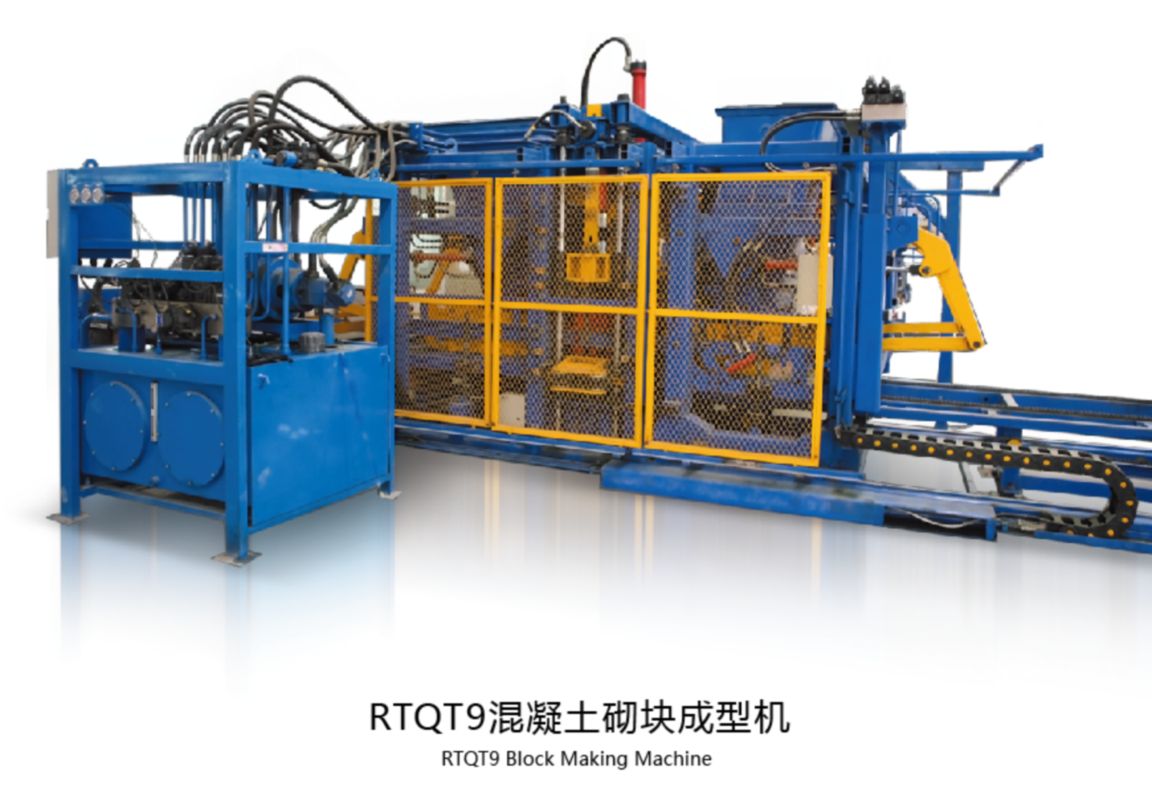
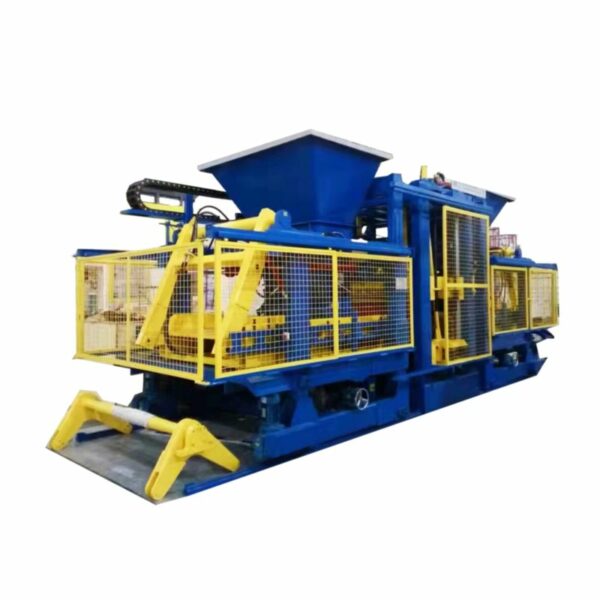
                                    What are the maintenance requirements for a concrete block making machine to ensure optimal performance?

                                    To ensure optimal performance of a concrete block making machine, the following maintenance requirements should be followed:

                                    1. Regular Cleaning:
                                    • Clean the machine thoroughly after each use to remove any dried concrete or debris.
                                    • Use a stiff-bristle brush and a mild detergent solution to clean the molds, tamping head, and any other moving parts.
                                    • Ensure that all the sensors and switches are free from any obstructions or buildup.

                                    2 .Lubrication:

                                      • Identify all the moving parts that require lubrication, such as bearings, bushings, and gears.
                                      • Use the recommended lubricants, typically a high-quality grease or oil, and apply them at the intervals specified by the manufacturer.
                                      • Avoid over-lubricating, as it can lead to contamination of the concrete mixture.

                                      3. Inspection and Adjustments:

                                        • Regularly inspect the machine for any signs of wear or damage, such as cracks, deformation, or looseness in the components.
                                        • Check the alignment and clearances of the molds, tamping head, and other critical components to ensure they are within the manufacturer’s specifications.
                                        • Adjust any loose or worn parts to maintain the desired block size, shape, and quality.

                                        4. Electrical System Maintenance:

                                          • Regularly inspect the electrical wiring, connections, China concrete block making machine manufacturer and control systems for any signs of damage or deterioration.
                                          • Ensure that the grounding system is functioning correctly and that all safety devices are in good working order.
                                          • Perform any necessary electrical maintenance or repairs following the manufacturer’s guidelines and local electrical codes.

                                          5. Preventive Maintenance:

                                            • Follow the manufacturer’s recommended maintenance schedule, which may include tasks such as replacing wear parts, changing lubricants, and performing comprehensive inspections.
                                            • Keep a detailed maintenance log to track the history of the machine and identify any recurring issues.
                                            • Consider implementing a preventive maintenance program to proactively address potential problems before they arise.

                                            6. Operator Training:

                                              • Ensure that all operators are properly trained on the safe and efficient operation of the concrete block making machine.
                                              • Provide refresher training periodically to maintain operator proficiency and awareness of any changes or updates to the machine.

                                              By adhering to these maintenance requirements, you can help ensure the optimal performance, longevity, and quality output of your concrete block making machine.

                                              What are the environmental benefits of using a concrete block making machine in construction projects?

                                              Here are some of the key environmental benefits of using a concrete block making machine in construction projects:

                                              1. Reduced Waste: Concrete block making machines can produce blocks with high precision, reducing the amount of waste material generated compared to traditional construction methods. This helps conserve natural resources and minimize the environmental impact of construction waste.
                                              2. Energy Efficiency: Automated concrete block making machines are often designed to be energy-efficient, using less electricity or fuel compared to manual production methods. wholesale concrete block making machine price manufacturer This can lead to lower greenhouse gas emissions and a smaller carbon footprint for the construction project.
                                              3. Durability: Concrete blocks produced by these machines are typically more durable and long-lasting than traditional masonry units. This can extend the lifespan of buildings, reducing the need for frequent repairs or replacements, which in turn reduces the overall environmental impact.
                                              4. Material Efficiency: Concrete block making machines can optimize the mix design and production process to use the minimum amount of cement, water, and other raw materials required to meet the structural and performance requirements. This helps conserve natural resources and reduces the environmental impact of material extraction and production.
                                              5. Reduced Transportation: Concrete block making machines can be situated on-site or in local production facilities, reducing the need for long-distance transportation of construction materials. This can lead to lower fuel consumption and emissions associated with material logistics.
                                              6. Recycling Potential: Concrete blocks produced by these machines can often be more easily recycled or repurposed at the end of a building’s lifespan, further reducing waste and the environmental footprint of construction projects.

                                              Overall, the use of a concrete block making machine in construction projects can contribute to more sustainable, resource-efficient, and environmentally-friendly construction practices.

                                              How do you ensure proper load securement when using an electric chain hoist?

                                              Here are some key tips for ensuring proper load securement when using an 12m HHBB Electric Chain Hoist :

                                              1. Inspect the hoist and rigging before each use. Check for any signs of damage or wear that could compromise the safety of the lift.
                                              2. Ensure the load is properly balanced and centered under the hoist. The load should be lifted straight up without any side-pulling or swinging.
                                              3. Use appropriate slings, hooks, and other rigging components that are rated for the load capacity. Double-check that the rigging is correctly attached to the load.
                                              4. Avoid sudden starts, stops, or acceleration when lifting the load. Operate the hoist controls smoothly to prevent sudden loads on the rigging.
                                              5. Keep the load as close to the ground as possible during the lift. This improves stability and reduces the risk of the load swinging or becoming unstable.
                                              6. Ensure the path of the lift is clear of obstructions and nearby workers. Clearly communicate the lift plan with all personnel involved.
                                              7. Never exceed the rated load capacity of the hoist or rigging. Distribute the load evenly if lifting multiple items.
                                              8. Monitor the load carefully during the lift. Stop the operation immediately if you notice any issues with the rigging or load stability.

                                              Adhering to these load securement best practices when using an electric chain hoist can help ensure a safe and successful lift. Let me know if you need any clarification or have additional questions!

                                              What are the common applications of electric chain hoists in the manufacturing industry?

                                              9m HHBB Electric Chain Hoist are commonly used in the manufacturing industry for several applications:

                                              1. Material Handling: Electric chain hoists are widely used to lift, lower, and move heavy loads such as raw materials, components, equipment, and finished products within a manufacturing facility. They provide efficient and precise control over the load, allowing workers to safely and efficiently move items between workstations, storage areas, and loading/unloading zones.
                                              2. Assembly and Maintenance: Electric chain hoists are valuable tools for assembly and maintenance tasks. They can be used to lift and position heavy machinery, equipment, or large components during installation, repair, or maintenance work, making the process safer and more efficient.
                                              3. Overhead Crane Systems: Electric chain hoists are often integrated into overhead crane systems, which are common in manufacturing plants. These systems allow for the movement of heavy loads across large areas, enabling efficient material handling and workflow optimization.
                                              4. Workstation Assistance: Electric chain hoists can be mounted at individual workstations to assist workers in lifting and maneuvering heavy parts or tools, reducing the physical strain on employees and improving workplace safety.
                                              5. Loading and Unloading: Electric chain hoists are valuable for loading and unloading trucks, railcars, or ships, allowing for the efficient movement of heavy loads during the shipping and receiving processes.
                                              6. Warehouse and Storage: In warehouses and storage facilities, electric chain hoists can be used to lift and move pallets, crates, or other heavy items, facilitating efficient inventory management and storage optimization.

                                              The key benefits of using electric chain hoists in manufacturing include improved productivity, reduced manual labor, enhanced workplace safety, and the ability to handle heavier loads with greater precision and control. The versatility and reliability of electric chain hoists make them an essential equipment in many manufacturing operations.

                                              What is a good alternative for dumpling soy sauce?

                                              Here are some good alternatives to dumpling soy sauce:

                                              1. Tamari Soy Sauce: Tamari is a type of soy sauce that is slightly thicker and less salty than regular soy sauce. It works well as a dipping sauce for dumplings.
                                              2. Hoisin Sauce: Hoisin is a thick, sweet, and savory sauce that is often used in Chinese cuisine. It can make a tasty dipping sauce for dumplings.
                                              3. Ponzu Sauce: Ponzu is a Japanese citrus-based sauce that has a tangy and slightly sweet flavor. dumpling soy sauce It’s a good alternative to soy sauce for dumplings.
                                              4. Rice Vinegar: Plain unseasoned rice vinegar can provide a nice tangy and slightly sweet flavor that complements dumplings.
                                              5. Chili Oil: Adding a bit of chili oil to soy sauce or another dipping sauce can give it some heat and additional flavor for dumplings.
                                              6. Ginger-Garlic Sauce: Blend together minced ginger, garlic, soy sauce, rice vinegar, and a bit of sweetener for a flavorful dumpling dipping sauce.

                                              The key is to look for sauces that provide a balance of savory, sweet, and acidic flavors to complement the dumplings. Start with small amounts and adjust to your taste preferences.

                                              What does fermented chili bean paste taste like?

                                              Fermented chili bean paste, also known as doubanjiang, has a complex and robust flavor profile.

                                              Here’s a description of what it typically tastes like:


                                              – Salty and umami-rich: The fermentation process concentrates the savory, umami flavors from the soybeans and chilies, resulting in a very savory and salty taste.

                                              – Spicy: Fermented chili bean paste contains chilies, which provide a moderate to intense level of spiciness, depending on the specific recipe. The heat can range from mild to quite fiery.

                                              – Earthy and funky: The fermentation imparts an earthy, slightly funky aroma and flavor reminiscent of aged cheeses or miso paste. This comes from the microbial activity during the fermentation process.

                                              – Slightly sweet: While quite salty overall, there is often a subtle sweetness that balances the intense savory and spicy notes.

                                              – Thick and paste-like: The texture is thick and paste-like, with a spreadable consistency from the pureed beans and chilies.

                                              The exact flavor can vary quite a bit depending on the specific ingredients and fermentation process used to make the chili bean paste. But in general, it provides a bold, complex umami punch that is commonly used to add depth of flavor to Chinese dishes like mapo tofu, braised meats, and vegetable stir-fries.

                                              Design a site like this with WordPress.com
                                              Get started