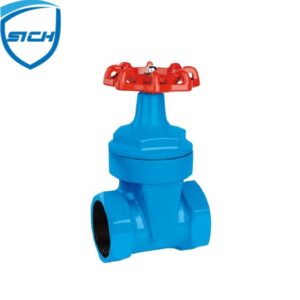
A gate valve is designed to control the flow of fluids through a pipeline and can handle a variety of fluids, including:
Water: Commonly used in water supply systems.
Oil: Suitable for crude oil and refined petroleum products.
Gas: Can be used with natural gas and other gaseous substances.
Chemicals: Often used in chemical processing for various corrosive or non-corrosive liquids.
Slurries: Can handle mixtures of liquids and solids, although care must be taken as they may cause wear over time.
Gate valves are generally not recommended for throttling applications because they are designed to be either fully open or fully closed, which can lead to flow turbulence and potential damage to the valve.
The lifespan of waterworks valves can vary based on several factors, including:
Type of Valve: Different types of valves (gate, globe, ball, etc.) have different durability.
Material: Valves made from durable materials like brass or stainless steel tend to last longer than those made from plastic or low-quality metals.
Usage: Frequent operation can lead to wear and tear, reducing lifespan.
Maintenance: Regular inspection and maintenance can extend the life of a valve.
Environmental Conditions: Exposure to corrosive substances or extreme temperatures can also affect durability.
Generally, a well-maintained valve can last anywhere from 10 to 50 years. However, it’s essential to monitor their condition and replace them as needed to ensure operational reliability.
ERW (Electric Resistance Welded) and seamless pipes are two common types of steel pipes, each with distinct manufacturing processes and characteristics.
Here are the main differences between them:
1. Manufacturing Process
ERW Pipe:
Made by rolling steel sheets and welding them along the seam using electric resistance.
The process involves heating the edges of the steel sheet and then applying pressure to form a weld.
Seamless Pipe:
Produced from solid round steel billets that are heated and then pierced to create a hollow tube.
The pipe is then further processed through elongation and reducing to achieve the desired diameter and wall thickness.
2. Strength and Durability
ERW Pipe:
Generally has a welded seam that can be a point of weakness, erw vs seamless pipe although modern welding techniques can produce strong joints.
Suitable for moderate pressure applications.
Seamless Pipe:
Typically stronger and more durable due to the absence of welds, making it better for high-pressure applications.
Uniform structure throughout the pipe.
3. Cost
ERW Pipe:
Usually less expensive to manufacture due to the simpler process and less material waste.
Seamless Pipe:
More costly to produce because of the additional steps required in manufacturing and the quality of raw materials.
4. Applications
ERW Pipe:
Commonly used in low to medium pressure applications, such as water, gas, and structural applications.
Seamless Pipe:
Preferred for high-pressure applications like oil and gas pipelines, boiler tubes, and other critical applications.
5. Availability and Sizes
ERW Pipe:
Available in a wide range of sizes and wall thicknesses, but may have limitations on larger diameters.
Seamless Pipe:
Can be produced in larger diameters and is often available in a wide range of sizes, although the variety may be more limited compared to ERW.
6. Inspection and Testing
ERW Pipe:
Requires additional testing of the weld seam for quality assurance.
Seamless Pipe:
Generally undergoes rigorous testing for structural integrity and can be more uniformly reliable.
Summary
In summary, the choice between ERW and seamless pipes largely depends on the specific application, pressure requirements, and budget considerations. Seamless pipes are preferred for high-stress situations, while ERW pipes are suitable for lower-pressure applications.
The press filter operation is used in various industries for solidliquid separation processes.
Here are the typical steps involved:
Preparation: Feed Preparation: Ensure the slurry or suspension is properly mixed and has the desired consistency. Equipment Setup: Position the press filter and check for any necessary adjustments or calibrations.
Filling: Slurry Introduction: Introduce the slurry into the press filter. Plate and Frame Type Filter Press This is usually done through a feed pump. Distribution: Ensure even distribution of the slurry across the filter plates.
Filtration: Dehydration: As the slurry passes through the filter, the liquid (filtrate) is separated from the solid particles (cake). Pressure Application: Pressure is applied to enhance the filtration process, aiding in the expulsion of liquid.
Cake Formation: Solid Cake Development: The solids accumulate on the filter media, forming a solid cake. Compaction: The cake may become compressed under the applied pressure, improving separation efficiency.
Washing (Optional): Cake Washing: If necessary, wash the cake with a suitable liquid to remove impurities or residual filtrate.
Drying (Optional): Further Dehydration: Additional drying steps may be implemented to reduce moisture content in the solid cake.
Discharge: Opening the Filter: Release the pressure and open the press filter. Cake Removal: Remove the solid cake from the filter plates, usually using mechanical means or manual methods.
Cleaning: Filter Media Cleaning: Clean the filter media to remove any residual cake or contaminants. Equipment Maintenance: Perform routine checks and maintenance on the press filter to ensure optimal performance.
Disposal or Further Processing: Handling of Solid Residue: Dispose of or further process the solid cake according to industry standards or regulations.
These steps can vary based on the specific design of the press filter and the materials being processed.
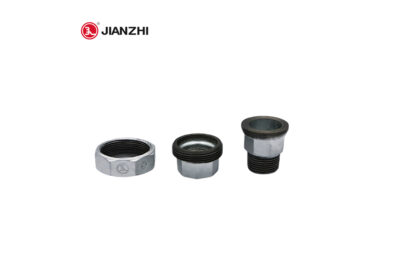
Handling damaged China GI fittings manufacture requires careful assessment and appropriate action to ensure safety and functionality.
Here’s a stepbystep guide:
Assessment Visual Inspection: Check for visible signs of damage such as rust, cracks, or deformation. Leak Testing: If applicable, test for leaks by applying pressure or using a soapy water solution.
Safety Precautions Personal Protective Equipment (PPE): Wear gloves, goggles, and masks if necessary to protect against sharp edges or harmful substances. Shut Off Supply: If the fitting is part of a pipeline, turn off the supply to prevent any accidents.
Repair or Replace Minor Damage: For small issues like surface rust, clean the area with a wire brush and apply a rustinhibiting paint. Moderate Damage: If there are cracks or significant corrosion, consider using epoxy or a patching compound designed for metal. Severe Damage: If the fitting is severely compromised, it’s best to replace it entirely. Use appropriate tools to remove the damaged fitting and install a new one.
Reinstallation Ensure that all threads and connections are clean and free from debris. Use proper sealing tape or paste when reassembling to prevent leaks.
Final Inspection After repairs or replacements, conduct a final inspection to ensure everything is secure and leakfree. Monitor the fitting over the next few days for any signs of failure.
Documentation Keep a record of the damage, repairs made, and any replacements for future reference. Conclusion Regular maintenance and inspections can help prevent damage. If you’re unsure about the repair process, consult a professional plumber or technician.
Flexible couplings offer several advantages in mechanical systems. Here are some key benefits:
Misalignment Compensation: They can accommodate misalignment between shafts, reducing wear and tear on bearings and other components.
Shock Absorption: Flexible couplings can absorb shock loads and vibrations, protecting machinery from damage.
Reduced Stress: They help in distributing stress more evenly across the system, which can prolong the life of connected components.
Ease of Installation: Flexible couplings are typically easier to install and replace compared to rigid couplings.
Cost-Effectiveness: They often require less maintenance and can reduce the need for other components that would otherwise manage misalignment and vibration.
Wide Range of Applications: Suitable for various applications, including pumps, motors, and compressors, advantages of flexible coupling making them versatile in different industries.
Damping Properties: They can help reduce noise and vibrations in the system, improving overall operational comfort.
Flexibility in Design: Available in various designs (e.g., elastomeric, metallic), allowing for specific applications and performance requirements.
These advantages make flexible couplings a popular choice in many mechanical and industrial applications.
The concept of sacrifice holds significant meaning in many religions, including Islam, Christianity, and Judaism, though the contexts and interpretations vary.
Here’s a comparison of the concept of sacrifice in Islam with that in other major religions:
Islam
Qurbani (Sacrifice) : In Islam, the act of sacrifice is primarily observed during Eid ul-Adha, commemorating Prophet Ibrahim’s willingness to sacrifice his son Ismael in obedience to God. The sacrifice of an animal (typically a sheep, goat, or cow) serves as a reminder of submission to God’s will.
Symbolism : The sacrifice symbolizes piety, devotion, and the importance of sharing with the less fortunate. It emphasizes that the act is not just about the physical sacrifice but about the intentions behind it. Christianity
Jesus as the Ultimate Sacrifice : In Christianity, Jesus Christ’s crucifixion is viewed as the ultimate sacrifice for humanity’s sins. eid ul adha in the light of quran This sacrifice is believed to provide salvation and reconciliation with God.
Communion : The Eucharist or Communion represents the body and blood of Christ, symbolizing His sacrifice. Christians are called to live in a way that reflects gratitude for this sacrifice. Judaism
Historical Sacrifices : In ancient Judaism, sacrifices were a central part of worship, especially in the Temple in Jerusalem. Animals were offered to God for various reasons, including atonement and gratitude.
Yom Kippur : The Day of Atonement involves rituals of repentance and is associated with the idea of sacrifice, though modern Judaism has moved away from animal sacrifices.
Common Themes
Obedience and Devotion : In all three traditions, sacrifice reflects obedience to God and a demonstration of faith.
Community and Charity : Many religious sacrifices emphasize the importance of caring for others, especially the needy.
Symbolic Meaning : Sacrifice often carries deeper symbolic meanings, representing a commitment to spiritual beliefs and values. Differences
Nature of Sacrifice : In Islam, the act is communal and involves specific rituals, while in Christianity, it centers on the individual relationship with God through Christ’s sacrifice. Judaism historically involved physical sacrifices that have evolved into symbolic practices.
Theological Implications : The significance and interpretation of sacrifice vary widely, with Islam emphasizing submission and obedience, Christianity focusing on redemption, and Judaism on atonement and community. Conclusion
While the concept of sacrifice is central to many faiths, the nuances in practice and theological implications highlight the unique beliefs and values of each religion.
Eid solar lights can foster a sense of belonging during Eid in several meaningful ways:
Cultural Significance : Lighting is a traditional part of Eid celebrations. Solar lights enhance the festive atmosphere, creating a visually appealing environment that resonates with communal joy and cultural heritage.
Community Connection : When families and neighborhoods decorate their homes with solar lights, it creates a shared experience. The collective illumination strengthens community bonds and encourages social interactions among residents.
Inclusivity : Solar lights can be used in various settings, from homes to public spaces. Their accessibility allows everyone, regardless of economic status, to participate in the celebration, fostering inclusivity and a sense of belonging.
Symbol of Hope and Renewal : The brightness of the lights symbolizes hope, renewal, and the joy of togetherness, reinforcing feelings of unity within families and communities during this significant time.
Environmental Awareness : Utilizing solar-powered lights aligns with sustainable practices, promoting a sense of responsibility and care for the environment, which can unify communities around shared values.
Creating Memories : The ambiance created by the lights often leads to gatherings, shared meals, and festivities, fostering cherished memories that strengthen relationships and a sense of belonging.
The fabric of a polo shirt plays a crucial role in its breathability, especially in hot weather.
Here are some key factors to consider:
1. Material Type
Cotton: Natural fibers like cotton are breathable and absorb moisture, making them comfortable in heat. types of polo fabric However, they can retain sweat, which may lead to a damp feeling.
Polyester: Synthetic fabrics like polyester are lightweight and often moisture-wicking, pulling sweat away from the skin and drying quickly, enhancing comfort in hot conditions.
Blends: Many polo shirts use a blend of cotton and polyester, combining the breathability of cotton with the moisture-wicking properties of polyester.
2. Fabric Weight
Lightweight Fabrics: Lighter fabrics allow for better airflow, helping to keep the body cool. Heavier fabrics can trap heat and moisture, making them less suitable for hot weather.
3. Weave and Texture
Open Weave: Fabrics with a looser weave allow more air circulation, improving breathability.
Pique vs. Jersey: Pique knit (often used in polo shirts) has a textured surface that can provide better airflow compared to smoother jersey knits.
4. Moisture Management
Moisture-Wicking Technology: Some modern polo shirts are treated with moisture-wicking finishes that enhance the fabric’s ability to draw sweat away from the body, promoting evaporative cooling.
5. Color
Light vs. Dark Colors: Lighter colors reflect sunlight, while darker colors absorb heat. Choosing lighter colors can help keep you cooler in direct sunlight.
Conclusion
For optimal breathability in hot weather, look for polo shirts made from lightweight, moisture-wicking fabrics, preferably in lighter colors. The combination of fabric type, weight, weave, and moisture management features significantly influences comfort during warm conditions.
The production capacity of a wet wipes machine can vary significantly based on several factors, including:
Machine Model : Different models are designed for different output levels.
Production Speed : This is usually measured in wipes per minute (WPM). Some machines can produce anywhere from 30 to 300 WPM or more.
Wipe Size and Material : Larger or thicker wipes may reduce the number of wipes produced per minute.
Automation Level : Fully automated machines tend to have higher capacities compared to semi-automated ones.
Operational Efficiency : Downtime for maintenance or changeovers can affect overall capacity.
On average, a mid-range machine might produce between 100,000 to 500,000 wipes per day, wet wipes making machine small depending on the above factors. For precise figures, it’s best to consult the specifications provided by the machine manufacturer.



 Home
Home 