A Comprehensive Guide – ISO9001-9002 Steel Carrier Roller

Introduction

In the realm of heavy machinery and construction equipment, carrier rollers play a crucial role in supporting the weight of the machine, ensuring smooth movement, and minimizing track wear. Among the various types of carrier rollers, ISO9001-9002 steel carrier roller assy stand out for their exceptional quality, durability, and performance. In this comprehensive guide, we will explore the key features, materials, manufacturing process, and applications of ISO9001-9002 steel carrier rollers, empowering engineers, contractors, and industry professionals to make informed decisions for their projects.

carrier roller assy

Understanding ISO9001-9002 Steel Carrier Rollers

ISO9001-9002 steel carrier rollers are specifically designed for heavy-duty construction and mining equipment, particularly excavators. These rollers are manufactured in accordance with ISO 9001 and ISO 9002 quality standards, ensuring consistent quality, reliability, and performance. They provide support and stability to the machine while reducing track wear and ensuring smooth movement.

Materials and Manufacturing Process

ISO9001-9002 steel carrier rollers are constructed using high-quality alloy steel, renowned for its exceptional strength and durability. This steel undergoes rigorous heat treatment processes to achieve a hardness range of HRC 50-58, ensuring exceptional wear resistance and longevity. The rollers are also precision-machined to ensure precise dimensions and smooth operation.

Advantages of ISO9001-9002 Steel Carrier Rollers

ISO9001-9002 steel carrier rollers offer several advantages that contribute to the overall performance and efficiency of heavy machinery:

1. Exceptional Quality and Reliability: Manufactured in accordance with ISO 9001 and ISO 9002 quality standards, these rollers ensure consistent quality, reliability, and performance.

2. Exceptional Strength and Durability: The combination of high-quality alloy steel, rigorous heat treatment, and precision manufacturing ensures exceptional strength and durability, allowing the rollers to withstand heavy loads and demanding operating conditions.

3. Excellent Wear Resistance: The hardened surface of the rollers provides excellent wear resistance, reducing the rate of wear and tear and extending the lifespan of the rollers.

4. Smooth Movement and Reduced Track Wear: The precision-machined surface of the rollers ensures smooth movement of the excavator’s tracks, minimizing friction and reducing track wear.

5. Compatibility with Heavy Machinery: ISO9001-9002 steel carrier rollers are specifically designed for compatibility with various models of heavy machinery, particularly excavators, ensuring seamless integration and optimal performance.

Applications of ISO9001-9002 Steel Carrier Rollers

ISO9001-9002 steel carrier rollers find application in a wide range of industries, including:

1. Construction: Used in various construction projects, including excavation, trenching, and site preparation.

2. Mining: Employed in mining operations for digging, hauling, and loading materials.

3. Forestry: Utilized in forestry operations for cutting, clearing, and transporting timber.

4. Landscaping: Applied in landscaping projects for grading, leveling, and shaping terrain.

5. Infrastructure Development: Used in infrastructure development projects such as road construction, bridge building, and pipeline installation.

Conclusion

ISO9001-9002 steel carrier rollers are high-performance components that contribute to the durability, reliability, and efficiency of heavy machinery. By understanding the materials, manufacturing process, advantages, and applications of ISO9001-9002 steel carrier rollers, engineers, contractors, and industry professionals can make informed decisions when selecting components for their machinery. This ensures optimal performance, longevity, and cost-effectiveness in diverse construction, mining, forestry, landscaping, and infrastructure development projects.

The Essential Role of OEM Quality BD2G Carrier Rollers in Excavators Undercarriage Parts

In the realm of heavy machinery, particularly in excavators, the undercarriage system plays a crucial role in ensuring optimal performance and reliability. Among the key components of this system, OEM quality BD2G carrier rollers are vital for maintaining stability and efficiency. This blog post will explore the importance of these carrier rollers, detailing their features, benefits, and applications, while emphasizing the superior materials—50Mn and 40MnB—that contribute to their outstanding performance.

China Carrier Roller

Understanding Carrier Rollers

Carrier rollers are integral components of the undercarriage in track-type vehicles, including excavators and bulldozers. Their primary role is to support the weight of the machine while maintaining proper track alignment and tension. This function is essential for ensuring smooth movement over various terrains, enhancing the overall stability and efficiency of heavy machinery.

The Importance of OEM Quality in BD2G Carrier Rollers

OEM, or Original Equipment Manufacturer, indicates that the BD2G carrier rollers are manufactured to the precise specifications set by the original manufacturer. This ensures compatibility and performance that aftermarket parts may not always deliver. Here are some key features that define OEM quality BD2G carrier rollers:

Key Features of OEM Quality BD2G Carrier Rollers

  1. High-Grade Materials
    OEM quality BD2G China Carrier Roller are constructed from high-grade materials like 50Mn and 40MnB steel. These materials provide exceptional strength and durability, allowing the rollers to effectively withstand heavy loads and resist wear in challenging environments.
  2. Precision Engineering
    Each BD2G carrier roller is meticulously engineered to ensure a perfect fit and optimal function within the excavator’s undercarriage. This precision reduces friction and enhances overall operational efficiency.
  3. Durable Surface Coating
    Many OEM carrier rollers come equipped with protective coatings that enhance resistance to corrosion and environmental factors. This feature is critical for maintaining high performance, especially on construction sites or in harsh weather conditions.
  4. Compatibility
    BD2G carrier rollers are specifically designed to be compatible with a range of excavator models. This compatibility allows operators to integrate these rollers into their machinery without concerns about fit or performance.
  5. Quality Assurance
    OEM parts undergo rigorous quality control processes to ensure they meet the high standards set by the original manufacturer. This commitment to quality translates into greater reliability and fewer breakdowns.

Applications of BD2G Carrier Rollers

OEM quality BD2G carrier rollers find applications across various industries, where their reliability and performance are critical:

  1. Construction
    In the construction industry, BD2G carrier rollers are commonly used in excavators and other heavy machinery. Their ability to efficiently support tracks allows for smooth movement and lifting of heavy materials, which is vital for project success.
  2. Mining
    The mining sector requires robust equipment capable of operating in tough conditions. BD2G carrier rollers are well-suited for use in mining machinery, enabling operators to navigate uneven terrains while supporting heavy loads.
  3. Landscaping
    In landscaping and earth-moving projects, BD2G carrier rollers ensure that machinery can operate effectively over varying ground conditions. Their reliability is crucial for achieving desired results in these settings.
  4. Agriculture
    Agricultural machines, such as tractors and harvesters, benefit from OEM quality BD2G carrier rollers. Their stability and support are essential for efficient operation in fields and farms.
  5. Forestry
    In forestry operations, BD2G carrier rollers assist in the movement of equipment used for logging and land clearing. Their durability is vital for handling the challenges posed by rugged terrains.

Understanding the Importance of the Bulldozer Undercarriage Track Adjuster Cylinder Assembly

Bulldozers are essential heavy machinery in construction, mining, and earthmoving projects. Their effectiveness largely depends on the performance of their undercarriage components, particularly the track adjuster cylinder assembly. This crucial part plays a significant role in maintaining the proper tension of the tracks, ensuring smooth operation and longevity of the machine. In this blog post, we will explore the functions of the bulldozer undercarriage track adjuster cylinder assembly, the materials used in its construction, and its importance to overall machinery performance.

Undercarriage Parts Factory

What is a Track Adjuster Cylinder Assembly?

The track adjuster cylinder assembly is a critical component of a bulldozer’s undercarriage. It is responsible for maintaining the correct tension in the tracks, which is vital for various reasons:

  1. Preventing Slippage: Proper track tension ensures that the tracks remain securely engaged with the sprockets. If the tracks are too loose, they can slip, reducing the efficiency of the bulldozer and potentially causing damage to other components.
  2. Improving Stability: Adequate tension contributes to the overall stability of the bulldozer, especially when operating on uneven or soft ground. This stability is crucial for safe operation and effective performance.
  3. Reducing Wear: By maintaining the correct tension, the track adjuster cylinder assembly helps to minimize wear on both the tracks and the other undercarriage parts. This reduction in wear results in lower maintenance costs and extends the lifespan of the equipment.
  4. Enhancing Performance: With the right tension, the bulldozer can operate more efficiently, allowing for better performance in tasks like pushing, grading, and excavating.

Materials Used in Track Adjuster Cylinder Assemblies

When discussing the track adjuster cylinder assembly, it’s essential to consider the materials used in its construction. High-quality materials contribute significantly to the durability and performance of the assembly.

1. 60Si2Mn Steel

One of the common materials used in manufacturing track adjuster cylinder assemblies is 60Si2Mn. This high-strength steel alloy is known for its excellent wear resistance and toughness, making it ideal for heavy-duty applications. The properties of 60Si2Mn include:

  • High Elastic Limit: This allows the material to withstand significant stress and deformation without permanent damage.
  • Good Fatigue Strength: This ensures that the assembly can endure repeated cycles of loading and unloading, which is a common occurrence in bulldozer operations.
  • Heat Treatment Capability: 60Si2Mn can be heat-treated to further enhance its strength and hardness, making it suitable for the demanding conditions of construction and mining environments.

2. 45# Steel

Another commonly used material is 45# steel, which is a medium carbon steel known for its good mechanical properties. Characteristics of 45# steel include:

  • Weldability: This allows for easy fabrication and repair of the track adjuster cylinder assembly.
  • Toughness: 45# steel provides a good balance of strength and ductility, making it resilient in challenging conditions.

3. QT450-10 Cast Iron

QT450-10 is another material often utilized in track adjuster cylinder assemblies. This ductile iron offers several advantages:

  • High Strength: QT450-10 provides excellent tensile and yield strength, making it ideal for heavy machinery components.
  • Ductility: This material can absorb energy and deform under stress without breaking, which is crucial for the dynamic loads experienced by bulldozers.

The Importance of High-Quality Track Adjuster Cylinder Assemblies

Investing in high-quality track adjuster cylinder assemblies is essential for ensuring the overall performance and longevity of bulldozers. Here are some key benefits:

1. Lower Maintenance Costs

High-quality track adjuster assemblies require less frequent replacements and repairs, significantly reducing maintenance costs over time. Investing in durable components can save businesses money in the long run.

2. Enhanced Performance

Quality components ensure that the bulldozer operates at peak efficiency. This improved performance translates into better productivity on the job site, leading to faster project completion.

3. Increased Safety

Reliable track adjuster assemblies contribute to the safe operation of bulldozers. Components that are prone to failure can pose serious safety risks for operators and workers on-site.

4. Extended Lifespan

High-quality undercarriage parts are designed to withstand the rigors of heavy use. By investing in durable components, businesses can extend the lifespan of their bulldozers, maximizing return on investment.

Maintenance Tips for Track Adjuster Cylinder Assemblies

To ensure the longevity and efficiency of track adjuster cylinder assemblies, proper maintenance is essential. Here are some tips:

1. Regular Inspections

Conduct routine inspections of the track adjuster assembly to check for signs of wear, leaks, or damage. Addressing issues early can prevent more significant problems down the line.

2. Keep It Clean

Keep the track adjuster assembly clean to prevent dirt and debris from entering the system. Regular cleaning helps maintain optimal performance and extends the lifespan of the component.

3. Proper Lubrication

Ensure that the track adjuster assembly is adequately lubricated according to the manufacturer’s specifications. Proper lubrication reduces friction and wear, enhancing the assembly’s performance.

4. Monitor Track Tension

Regularly check the track tension to ensure it is within the recommended range. Proper tension is crucial for the efficient operation of the bulldozer.

5. Timely Replacement

If you notice significant wear or damage during inspections, replace the track adjuster assembly promptly to avoid further issues with the undercarriage system.

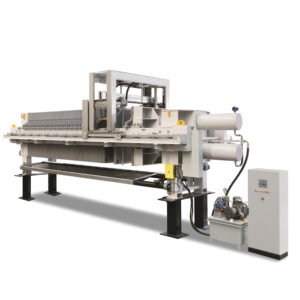
How do frame filter press benefit the food and beverage industry?

China frame and plate filter offer several benefits for the food and beverage industry, enhancing efficiency and product quality.

Here are some key advantages:

1. Effective Filtration

  • High Efficiency: Frame filter presses provide thorough separation of solids from liquids, ensuring clearer products.
  • Consistency: They produce uniform results, which is crucial for maintaining product quality.

2. Improved Product Quality

  • Reduced Contaminants: By effectively removing impurities, they help maintain the taste and safety of food and beverages.
  • Preservation of Flavor: The gentle filtration process minimizes flavor loss compared to other methods.

3. Cost-Effective Operation

  • Energy Efficiency: These systems often require less energy compared to alternatives, reducing operational costs.
  • Low Maintenance: Durable construction leads to lower maintenance costs and extended equipment lifespan.

4. Scalability

  • Flexible Size Options: They can be scaled to meet varying production needs, suitable for both small batches and large-scale operations.
  • Adaptability: Can be used for different products, including juices, wines, and oils, making them versatile.

5. Environmental Benefits

  • Waste Reduction: Efficient separation minimizes waste, promoting sustainability in production processes.
  • Recyclability: The solids collected can sometimes be repurposed, further reducing environmental impact.

6. Automation and Control

  • Advanced Technology: Many modern frame and plate filter press come with automation options, improving control over the filtration process.
  • Data Monitoring: Ability to integrate with production systems for real-time monitoring and adjustments.

7. Compliance and Safety

  • Hygienic Design: Many filter presses are designed to meet food safety standards, ensuring compliance with regulations.
  • Easy Cleaning: Simplified cleaning processes help maintain hygiene and prevent contamination.

In summary, frame filter press pricelist significantly enhance the efficiency, quality, and sustainability of filtration processes in the food and beverage industry, making them an essential component for many producers.

How do packaging cosmetic improve product transparency?

Packaging in the cosmetics industry plays a crucial role in enhancing product transparency.

Here are several ways it does so:

1. Ingredient Disclosure

  • Clear Labeling: Many brands now include a full list of ingredients on the packaging, allowing consumers to see exactly what they are putting on their skin.
  • Easier Reading: Improved font sizes and layouts help consumers easily read ingredient lists.

2. Sustainability Information

  • Eco-Friendly Labels: Packaging cosmetic often includes information about sustainability practices, such as recyclable materials, cruelty-free testing, and eco-friendly sourcing.
  • Certifications: Symbols or seals (e.g., organic, vegan) provide quick visual indicators of the product’s ethical credentials.

3. Usage Instructions

  • Detailed Directions: Clear instructions on how to use the product effectively help consumers understand how to achieve the best results.
  • Safety Warnings: Important safety information is often prominently displayed, enhancing consumer awareness and safety.

4. Brand Story and Values

  • Transparent Messaging: Packaging often includes the brand’s mission and values, which can inform consumers about the company’s ethical stance and commitment to transparency.
  • Origin Information: Some brands include details about where and how the product was made, fostering trust.

5. Visual Design

  • Minimalistic Design: Clean and straightforward packaging design can communicate honesty and simplicity, making it easier for consumers to trust the product.
  • Ingredient Callouts: Highlighting key beneficial ingredients on the front of the packaging can attract consumers and assure them of the product’s efficacy.

6. Interactive Elements

  • QR Codes: Many brands now include QR codes that link to detailed product information, tutorials, and sourcing stories, providing deeper transparency.
  • Augmented Reality: Some packaging employs AR technology to let consumers see more about the product and its benefits through their smartphones.

Conclusion

By focusing on informative and engaging packaging, cosmetic brands can foster a culture of transparency that builds consumer trust and loyalty. This approach not only meets the increasing demand for ethical and transparent practices but also empowers consumers to make informed choices.

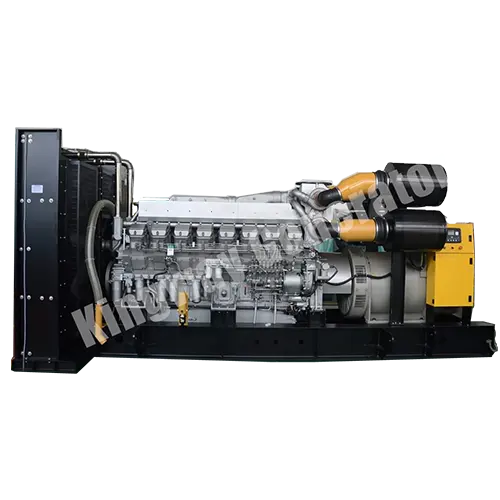
How efficient are diesel generators compared to other types?

China diesel generators are known for their efficiency and reliability, especially in specific applications.

Here’s a comparison of diesel generators with other types:

Efficiency

  1. Diesel Generators:
    • Fuel Efficiency: Diesel generators typically have a thermal efficiency of 30-40%, which can be higher in large industrial units.
    • Load Response: They respond quickly to changes in load, making them suitable for backup power.
  2. Gas Generators:
    • Fuel Efficiency: Natural gas generators generally have a similar thermal efficiency, around 35-45%.
    • Emissions: They produce fewer emissions compared to diesel, which can be an advantage in regulations.
  3. Gasoline Generators:
    • Fuel Efficiency: Gasoline generators are usually less efficient (20-30%) compared to diesel.
    • Portability: They are often smaller and more portable, making them suitable for light-duty applications.
  4. Renewable Energy Sources (Solar/Wind):
    • Efficiency: The efficiency of converting sunlight (solar) or wind into electricity varies widely but can be lower than diesel in terms of immediate power output.
    • Storage: They require energy storage solutions (like batteries) for consistent power supply, which can affect overall efficiency.

Longevity and Maintenance

  • Diesel Generators: Known for their durability and longevity, they can often run for thousands of hours with proper maintenance.
  • Gas Generators: Also durable but may require more frequent maintenance compared to diesel.
  • Gasoline Generators: Generally have shorter lifespans and require more regular maintenance.
  • Renewables: Maintenance varies; solar panels have low maintenance needs, while wind turbines require more attention.

Cost Factors

  • Initial Cost: Diesel generators can be more expensive upfront compared to gasoline or some smaller gas generators.
  • Operating Costs: Diesel fuel costs can be higher, but the efficiency often offsets this over time.

Conclusion

Chinese diesel generator supplier offer a good balance of efficiency, reliability, and longevity, making them suitable for many applications, especially in industrial and emergency settings. However, considerations like fuel availability, environmental regulations, and application type will influence the best choice for a specific situation.

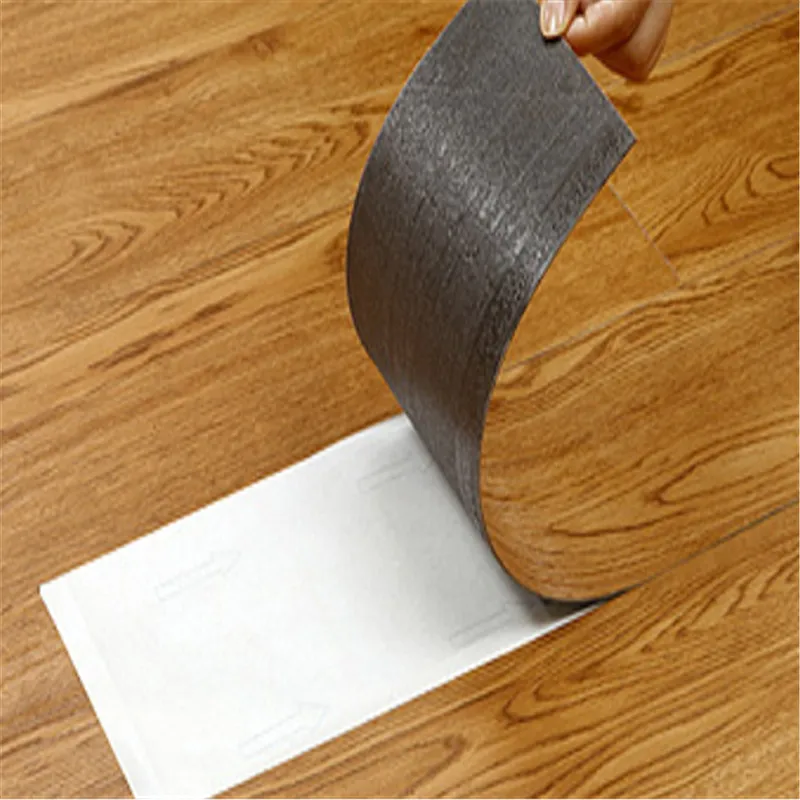
¿Cuál es el proceso de instalación de los pisos autoadhesivos pvc?

La instalación de pisos autoadhesivos pvc es un proceso relativamente sencillo y puede realizarse siguiendo estos pasos:

1. Preparación del Área

  • Limpieza: Asegúrate de que el suelo esté limpio, seco y libre de polvo, grasa o cualquier residuo.
  • Reparación: Rellena cualquier grieta o agujero en el suelo con un compuesto adecuado.

2. Acclimatación

  • Temperatura: Deja los paneles de PVC en la habitación donde serán instalados al menos 24 horas antes de la instalación para que se adapten a la temperatura y humedad del ambiente.

3. Planificación de la Instalación

  • Diseño: Decide el patrón de instalación (horizontal, vertical, en diagonal).
  • Cálculo: Mide el área y calcula cuántos paneles necesitas. Es recomendable comprar un 10% extra por si acaso.

4. Instalación

  • Retirar el respaldo: Comienza en una esquina de la habitación. Retira el papel protector del adhesivo en la parte posterior del panel.
  • Colocación: Coloca el panel en su lugar presionando firmemente. Asegúrate de que esté nivelado y alineado con los demás paneles.
  • Continuar: Repite el proceso, asegurándote de que los bordes de los paneles estén bien alineados.

5. Acabado

  • Presión: Usa un rodillo para presionar los paneles y asegurar una buena adhesión.
  • Recortes: Si es necesario, recorta los paneles en los bordes utilizando un cutter o una herramienta adecuada.
  • Base de zócalo: Instala los zócalos para dar un acabado limpio y ocultar los bordes del piso.

6. Mantenimiento

  • Limpieza: Limpia el piso con un producto adecuado para PVC y evita el uso de productos abrasivos.

Consejos Adicionales

  • Evitar la humedad: No instales en áreas expuestas a humedad constante, como baños.
  • Superficies irregulares: Si el suelo tiene muchas irregularidades, considera la posibilidad de usar una base niveladora.

Siguiendo estos pasos, podrás instalar pisos autoadhesivos de PVC de manera efectiva y lograr un acabado atractivo.

Как узнать, что генератор автомобилей подшипник плохой?

Чтобы определить, что подшипник генератора автомобиля плохой, обратите внимание на следующие признаки:

  1. Шумы: Если вы слышите необычные звуки, такие как скрип или гул, это может быть признаком износа подшипников.
  2. Вибрация: Если генератор вибрирует сильнее обычного, это может указывать на проблемы с подшипниками.
  3. Перегрев: Если генератор перегревается, генератор автомобилей подшипник это может быть связано с износом подшипников, что затрудняет его работу.
  4. Проблемы с зарядкой: Если аккумулятор не заряжается должным образом, это может быть связано с неисправным генератором, вызванным плохими подшипниками.
  5. Визуальный осмотр: Проверьте подшипники на наличие видимых повреждений или износа. Если есть люфт в валу генератора, это также может указывать на проблему.
  6. Тестирование: Использование осциллографа или мультиметра для проверки выходного напряжения может помочь выявить проблемы с генератором.

Если вы заметили один или несколько из этих признаков, рекомендуется обратиться к специалисту для диагностики и замены подшипников.

What are the limitations of a screw jack stands?

Automotive screw jack stands are commonly used for lifting and supporting heavy loads, especially in automotive and construction applications.

However, they come with several limitations:

  1. Load Capacity: Each screw jack stand has a specified load capacity, and exceeding this limit can lead to failure or collapse.
  2. Stability: Screw jack stands can be less stable than other types of lifting equipment, especially if not placed on a level surface or if the load is unevenly distributed.
  3. Adjustment Time: Adjusting the height of screw jack stands can be time-consuming, as they require multiple turns of the screw to raise or lower the load.
  4. Wear and Tear: The screw mechanism can wear out over time, leading to decreased effectiveness and potential safety hazards.
  5. Limited Height Adjustment: Screw jacks typically have a limited range of height adjustment, which may not suit every lifting requirement.
  6. Manual Operation: Most screw jacks are operated manually, which can be tiring and may require physical strength, especially for heavy loads.
  7. Risk of Slippage: If not properly secured, loads can slip or shift, posing safety risks.
  8. Weight: Some screw jack stands can be heavy and cumbersome, making them less portable.
  9. Maintenance: Regular maintenance is required to ensure that the screw mechanism and other components remain in good working condition.
  10. Not Suitable for Dynamic Loads: Screw jack stands are designed for static loads and are not ideal for applications involving movement or dynamic forces.

Understanding these limitations is crucial for safe and effective use of screw jack stands in various applications.

What are some common applications of laser cutting?

Laser etching cutting machines supplier is a versatile technology used across various industries for its precision and efficiency.

Here are some common applications:

  1. Manufacturing:
    • Cutting metal sheets for automotive and aerospace components.
    • Fabricating parts for machinery and equipment.
  2. Textiles:
    • Cutting fabrics for clothing, upholstery, and accessories.
    • Creating intricate patterns and designs.
  3. Woodworking:
    • Cutting and engraving wood for furniture, crafts, and signage.
    • Producing intricate designs in cabinetry and decor.
  4. Signage:
    • Creating custom signs from various materials like acrylic, wood, and metal.
    • Engraving logos and designs for branding purposes.
  5. Jewelry Making:
    • Cutting and engraving metals and gemstones.
    • Creating detailed designs and personalized pieces.
  6. Electronics:
    • Cutting circuit boards and enclosures.
    • Producing intricate components for devices.
  7. Architecture and Interior Design:
    • Creating architectural models and prototypes.
    • Designing decorative elements and panels.
  8. Medical Devices:
    • Manufacturing precise components for surgical instruments and implants.
    • Creating customized medical devices.
  9. Automotive:
    • Cutting parts for vehicles and aftermarket components.
    • Producing custom designs for interiors and exteriors.
  10. Arts and Crafts:
    • Making custom artwork and decorative pieces.
    • Creating stencils and templates for various projects.

These applications highlight the adaptability of laser cutting technology across different fields, enabling high-quality production and customization.

Design a site like this with WordPress.com
Get started