In many different sectors, carrier rollers are crucial parts, especially for heavy equipment like bulldozers, excavators, and conveyor systems. In order to ensure smooth operation under challenging conditions, these rollers are essential for supporting and guiding chains, tracks, or belts. Nonetheless, several kinds of carrier rollers are made for particular uses, and each has special characteristics suited to the environment and equipment requirements. The design features of various carrier roller types, their uses, and the critical role that carrier roller manufacturers play in satisfying industry demands will all be covered in this article.
What Are Carrier Rollers
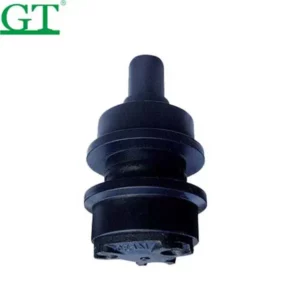
Carrier rollers, also known as support rollers, are mechanical components used to support and guide tracks, chains, or belts in various machines and systems. They are typically mounted either above or below the machine’s track or belt system to maintain proper alignment and reduce friction. The design of a carrier roller can vary depending on the application, load requirements, and environmental conditions.
Types of Carrier Rollers and Their Design Featur
Carrier rollers come in various designs, each tailored to specific machinery and industrial applications. Below are the most common types and their design characteristics.
1. Upper Carrier Rollers
Upper carrier rollers, as the name suggests, are positioned above the track or belt system and are primarily used to support the upper portion of the track or chain.
Design Features:
- Compact and lightweight design for easy installation.
- High-strength materials such as forged steel to withstand heavy loads and impact.
- Anti-corrosion coatings to resist environmental wear and tear.
Applications:
- Commonly used in tracked vehicles like bulldozers, excavators, and cranes.
- Ideal for applications where the track must remain aligned during operation.
2. Lower Carrier Rollers
Lower carrier rollers support the bottom section of the track or belt, ensuring stability and even distribution of load.
Design Features:
- Heavy-duty construction to endure constant contact with the ground.
- Sealed bearings to prevent contamination from dirt, mud, and debris.
- Reinforced with wear-resistant materials to maximize service life.
Applications:
- Frequently used in construction machinery and agricultural equipment.
- Suitable for environments with high levels of dirt and debris.
3. Conveyor Carrier Rollers
These rollers are specifically designed for use in conveyor systems, where they support and guide belts carrying materials.
Design Features:
- Cylindrical design with precision bearings for smooth operation.
- Lightweight materials such as aluminum or composite for reduced energy consumption.
- Anti-static coatings to prevent the accumulation of dust and debris.
Applications:
- Widely used in industries such as mining, manufacturing, and logistics.
- Ideal for large-scale conveyor systems transporting heavy loads.
4. Custom Carrier Rollers
Some applications require bespoke carrier roller designs to meet unique operational needs.
Design Features:
- Fully customizable in terms of size, material, and load capacity.
- Advanced features such as heat resistance, noise reduction, or high-speed operation.
- Engineered for compatibility with specific machinery.
Applications:
- Specialized equipment in industries like aerospace, automotive, and energy.
- Unique environments such as extreme temperatures or corrosive conditions.
Key Considerations for Choosing Carrier Rollers
When selecting carrier rollers for a specific application, several factors must be considered to ensure optimal performance and durability. Below are some critical aspects to keep in mind:
- Load Capacity: Ensure the roller can handle the weight and pressure of the application.
- Material Quality: Choose materials that can withstand the environmental conditions (e.g., corrosion, heat, or moisture).
- Durability: Look for features like sealed bearings and wear-resistant coatings to extend the roller’s lifespan.
- Compatibility: Verify that the roller is compatible with the machine or system in terms of size and design.
- Manufacturer Expertise: Opt for trusted carrier roller manufacturers with a proven track record of delivering high-quality products.
Role of Carrier Roller Manufacturers
Professional carrier roller manufacturers play a crucial role in the design, production, and customization of carrier rollers. These manufacturers leverage advanced technology, materials, and engineering expertise to create rollers that meet the specific requirements of various industries. By partnering with a reputable manufacturer, businesses can benefit from:
- Access to a wide range of standard and custom carrier rollers.
- High-quality materials and precision engineering for long-lasting performance.
- Expert advice and support to select the right roller for specific applications.
Some leading manufacturers also offer after-sales services, including maintenance, repairs, and replacement parts, ensuring uninterrupted operation of machinery and systems.
Carrier rollers are indispensable components in heavy machinery and industrial systems, providing support, alignment, and smooth operation. Whether it’s upper or lower carrier rollers for tracked vehicles or conveyor rollers for material-handling systems, each type is designed with unique features to meet specific operational demands. Selecting the right roller involves understanding the application requirements and consulting with experienced carrier roller manufacturers to ensure quality and reliability.
By investing in the right carrier rollers, businesses can improve equipment efficiency, reduce maintenance costs, and extend the lifespan of their machinery, ultimately boosting productivity and profitability in the long run.






 Home
Home 