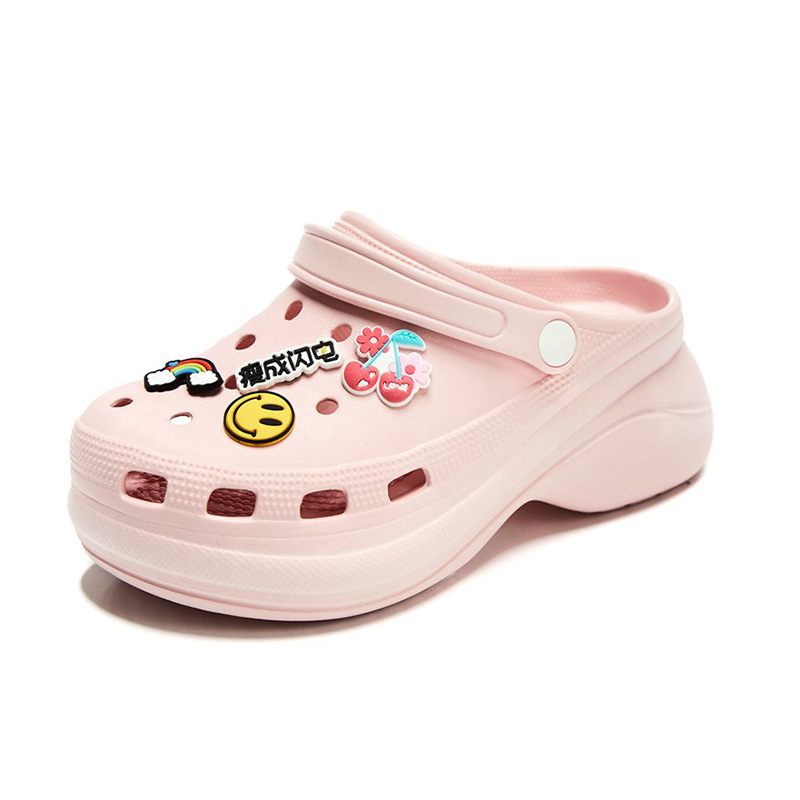
How do I find eco-friendly Garden Shoes options?

Finding eco-friendly wholesale Garden Shoes involves looking for options that prioritize sustainable materials, ethical manufacturing practices, and durability.

Here’s a guide to help you find the right pair:

Key Features to Look For

  1. Sustainable Materials
    • Recycled Materials: Look for shoes made from recycled plastics, rubber, or other materials.
    • Natural Fibers: Consider options that use organic cotton, hemp, or bamboo, which are more environmentally friendly.
  2. Ethical Manufacturing
    • Fair Trade Certified: Brands that are Fair Trade certified ensure fair wages and safe working conditions for workers.
    • Local Production: Shoes made locally reduce transportation emissions and support local economies.
  3. Durability
    • Long-lasting Design: Choose shoes that are built to last, reducing the need for frequent replacements.
    • Repairable: Some brands offer repair services or parts, extending the life of the shoes.
  4. Comfort and Functionality
    • Water Resistance: Look for garden shoes that are water-resistant or easy to clean, as gardening can be messy.
    • Non-slip Soles: A good grip is essential for safety while working in the garden.
  5. Biodegradability
    • Eco-friendly Materials: Some brands use biodegradable materials that will break down naturally over time.

Recommended Eco-Friendly Brands

  1. Native Shoes
    • Offers lightweight, waterproof shoes made from recycled materials with a focus on eco-friendly practices.
  2. Bogs
    • Known for their durable, waterproof footwear made from natural rubber and eco-friendly materials.
  3. TOMS
    • Offers a variety of styles, many of which use sustainable materials and practices.
  4. Crocs
    • Their Classic Clogs are made from Croslite, a sustainable resin, and they also have options made from recycled materials.
  5. Allbirds
    • While primarily known for their casual shoes, they offer styles made from sustainable materials like eucalyptus tree fiber and recycled bottles.
  6. Keen
    • Offers a range of outdoor footwear made from eco-friendly materials and focuses on sustainability in their production processes.

Where to Shop

  • Online Retailers: Websites like Amazon, Zappos, and dedicated eco-friendly retailers often have sections for sustainable footwear.
  • Brand Websites: Check directly on the websites of brands known for their eco-friendly practices.
  • Local Eco-Shops: Many local retailers are increasingly offering sustainable options; visiting these stores can provide more insight into the products.

Conclusion

To find eco-friendly garden shoes, focus on sustainable materials, ethical manufacturing, and durability. Explore the recommended brands and consider shopping from local or online eco-friendly retailers to find the perfect pair that aligns with your gardening needs and environmental values.
How much does each beyin loose leaf tea packing option typically cost?

The cost of Beyin loose leaf tea packaging options can vary based on factors like material, size, and order quantity.

Here’s a general price range for common packaging types:

1. Kraft Paper Bags

  • Cost: $0.10 – $0.50 per bag
  • Notes: Prices may vary based on size and whether they are lined or unlined.

2. Foil Bags

  • Cost: $0.25 – $1.00 per bag
  • Notes: Higher prices are typically for multi-layered or custom-printed options.

3. Tin Tie Bags

  • Cost: $0.20 – $0.80 per bag
  • Notes: Pricing can depend on whether they are plain or printed.

4. Glass Jars

  • Cost: $1.00 – $3.00 per jar
  • Notes: Costs can be higher for decorative or custom-designed jars.

5. Plastic Pouches

  • Cost: $0.15 – $0.60 per pouch
  • Notes: Resealable options may be on the higher end of the range.

6. Muslin Bags

  • Cost: $0.10 – $0.30 per bag
  • Notes: Prices vary based on the size and quality of the fabric.

7. Cardboard Boxes

  • Cost: $0.50 – $2.00 per box
  • Notes: Pricing can vary significantly based on size and design complexity.

Conclusion

These price ranges are approximate and can vary based on suppliers, order volumes, and customization options. For accurate pricing, it’s best to consult specific packaging suppliers or manufacturers that cater to Beyin loose leaf tea packaging.

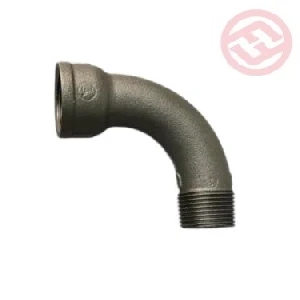
What is the largest diameter black iron pipe fittings available?

The largest diameter 1 1/2 black iron pipe fittings typically available are around 24 inches (600 mm) in diameter. However, in some cases, fittings can be found with diameters up to 30 inches (750 mm) or larger, depending on the manufacturer and specific application requirements.

Common Large Diameter Fittings

  • Flanges: Often available in large sizes for connecting pipes.
  • Elbows and Tees: Used for changing direction or branching off in larger piping systems.
  • Reducers: Used to connect pipes of different diameters.

Availability

While standard pipe fittings wholesale may be readily available up to 24 inches, larger sizes might require special orders or custom manufacturing. It’s advisable to check with suppliers or manufacturers for specific availability and options for larger fittings.

Kак определить нуЖные спецификации подшипника длЯ мoегo pедуктoра?

Определение необходимых спецификаций подшипника для вашего редуктора включает несколько важных шагов.

Вот основные аспекты, которые стоит учесть:

1. Идентификация редуктора

2. Размеры подшипника

  • Внутренний и наружный диаметры: Измерьте внутренний (d) и наружный (D) диаметры подшипника с помощью штангенциркуля.
  • Ширина: Измерьте ширину подшипника (B).

3. Тип подшипника

  • Тип: Определите тип подшипника (шариковый, роликовый и т.д.), который используется в редукторе. Это можно узнать из технической документации или осмотрев старый подшипник.

4. Нагрузочные характеристики

  • Рабочие нагрузки: Оцените статические и динамические нагрузки, которым подшипник будет подвергаться. Это важно для выбора подшипника с соответствующей грузоподъемностью.

5. Скорость вращения

  • Максимальная скорость: Убедитесь, что подшипник рассчитан на максимальную скорость вращения вашего редуктора.

6. Условия эксплуатации

  • Температура и среда: Учитывайте условия эксплуатации, такие как температура, наличие влаги или агрессивных химических веществ. Это поможет выбрать подшипник из подходящего материала.

7. Техническая документация

  • Руководство пользователя: Обратитесь к руководству пользователя редуктора или документации производителя, где могут быть указаны необходимые спецификации подшипников.

8. Консультация с профессионалами

  • Обратитесь к специалистам: Если у вас возникли сомнения, обратитесь к специалистам или в сервисный центр. Они могут помочь определить правильные спецификации.

Заключение

Для определения необходимых спецификаций подшипника для вашего редуктора важно учитывать размеры, тип, нагрузки, скорость, условия эксплуатации и рекомендации производителя. Тщательный подход к этому процессу поможет выбрать подходящий подшипник и обеспечить надежную работу оборудования.

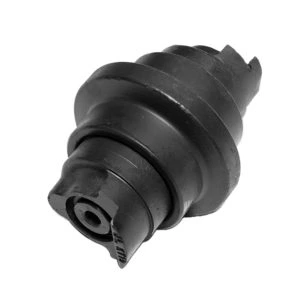
How track roller wheels Revolutionizes Construction Projects?

Track roller wheels have revolutionized construction projects by enhancing the efficiency, safety, and overall performance of tracked machinery.

Here are some key ways they contribute to this transformation:

1. Improved Mobility

  • Enhanced Traction: Track roller wheels provide superior traction on various surfaces, enabling machines to navigate difficult terrains, including mud, sand, and loose gravel.
  • Maneuverability: Their design allows for better maneuverability, making it easier to operate in confined spaces or complex job sites.

2. Load Distribution

  • Weight Distribution: Track roller wheels help distribute the weight of heavy machinery evenly across the ground, reducing ground pressure and preventing soil compaction.
  • Stability: This even weight distribution enhances stability, minimizing the risk of tipping or sliding on slopes.

3. Reduced Wear and Tear

  • Durable Construction: High-quality materials and engineering in track roller wheels lead to reduced wear and tear, extending the lifespan of both the wheels and the tracked machinery.
  • Lower Maintenance Costs: Enhanced durability results in fewer maintenance requirements, reducing downtime and operational costs.

4. Increased Speed and Efficiency

  • Faster Operations: Improved rolling resistance allows for higher speeds, enabling quicker project completion without sacrificing performance.
  • Enhanced Productivity: The efficiency of track roller wheels translates into increased productivity on construction sites, allowing for more tasks to be completed in less time.

5. Better Load Handling

  • Higher Load Capacity: Track roller wheels are designed to support heavier loads, making it possible to operate larger machinery that can handle significant excavation or grading tasks.
  • Versatile Applications: They facilitate the use of various attachments, such as blades or buckets, making tracked machines more versatile for different construction tasks.

6. Reduced Vibration and Noise

  • Damping Features: Many modern track roller wheels incorporate damping features that reduce vibrations, leading to a more comfortable operating environment.
  • Quieter Operations: Noise reduction contributes to a safer work environment, especially in urban areas where noise regulations may be in place.

7. Safety Enhancements

  • Improved Stability: Enhanced stability reduces the risk of accidents caused by equipment tipping or sliding, promoting a safer work environment for operators and workers.
  • Better Control: The responsiveness of track roller wheels allows for finer control of machinery, reducing the likelihood of mishaps during operation.

Conclusion

In summary, track roller wheels significantly revolutionize construction projects by improving mobility, load distribution, and efficiency while reducing wear and maintenance costs. Their advanced design enhances safety and productivity, making them integral to the success of modern construction operations.

What advantages do track link bushing provide in terms of system responsiveness?

Track link bushing offer several advantages that enhance the responsiveness of tracked vehicle systems.

Here are the key benefits:

1. Reduced Friction

  • Smoother Movement: Bushings reduce friction between track links and pins, allowing for smoother articulation and movement of the track system, which improves overall responsiveness.

2. Enhanced Flexibility

  • Adaptive Control: The flexibility provided by bushings allows the track links to adapt more readily to uneven terrain, improving the vehicle’s responsiveness to changing ground conditions.

3. Improved Load Distribution

  • Even Load Transfer: Bushings help distribute loads more evenly across the track system, allowing for better control and stability when maneuvering, especially during turns or when traversing obstacles.

4. Noise Reduction

  • Quieter Operation: By minimizing metal-to-metal contact, bushings can reduce noise levels during operation, allowing operators to focus better on responsiveness and control.

5. Shock Absorption

  • Impact Mitigation: Bushings provide a degree of shock absorption, helping to dampen impacts from rough terrain. This enhances the vehicle’s ability to respond effectively to sudden changes in surface conditions.

6. Wear Resistance

  • Longer Lifespan: High-quality bushings are designed to withstand wear and tear, maintaining their performance characteristics over time. This ensures consistent responsiveness throughout the lifespan of the track system.

7. Simplified Maintenance

  • Easier Upkeep: Many bushings are designed for easy replacement, allowing for quick maintenance that helps keep the track system responsive without extensive downtime.

8. Compatibility with Design Innovations

  • Integration of Advanced Features: Modern bushings can be designed with features such as lubrication grooves or composite materials that further enhance their performance and responsiveness.

Conclusion

In summary, track link bushings significantly enhance system responsiveness by reducing friction, improving flexibility, and providing better load distribution. Their ability to absorb shocks and minimize wear contributes to smoother and more controlled operation, making them essential components in the performance of tracked vehicles.

What is the role of tracking link generator in cold-weather operation?

A tracking link generator plays an important role in cold-weather operations, particularly for tracked vehicles and machinery.

Here are the key functions it serves:

1. Track Tension Management

  • Maintaining Tension: In cold weather, materials can contract, affecting the tension of the track links. The tracking link generator helps maintain optimal tension, ensuring smooth operation and preventing track derailment.

2. Compensation for Temperature Variations

  • Adapting to Changes: The generator can adjust the track assembly’s tension dynamically based on temperature fluctuations, compensating for the effects of cold on the materials.

3. Enhanced Traction

  • Improving Grip: Properly tensioned tracks improve grip on icy or snowy surfaces, enhancing traction and stability, which is crucial for safe maneuvering in challenging conditions.

4. Preventing Ice Build-Up

  • Minimizing Ice Accumulation: The mechanism can facilitate the removal of ice and snow that may accumulate on or within the track system, ensuring that the tracks function efficiently.

5. System Monitoring

  • Real-Time Adjustments: Many modern tracking link generators are equipped with sensors that monitor track conditions and tension in real time, allowing for immediate adjustments as temperature and load conditions change.

6. Operational Efficiency

  • Reducing Wear and Tear: By maintaining proper tension and alignment, the generator helps reduce wear on track components, which can be exacerbated in cold weather.

7. Safety

  • Enhancing Stability: Properly functioning tracks reduce the risk of accidents caused by slippage or derailment, which is particularly important in winter operations where conditions can be unpredictable.

Conclusion

In summary, the tracking link generator is essential for ensuring that tracked vehicles operate effectively and safely in cold weather. It manages track tension, adapts to temperature changes, enhances traction, and contributes to overall operational efficiency and safety.

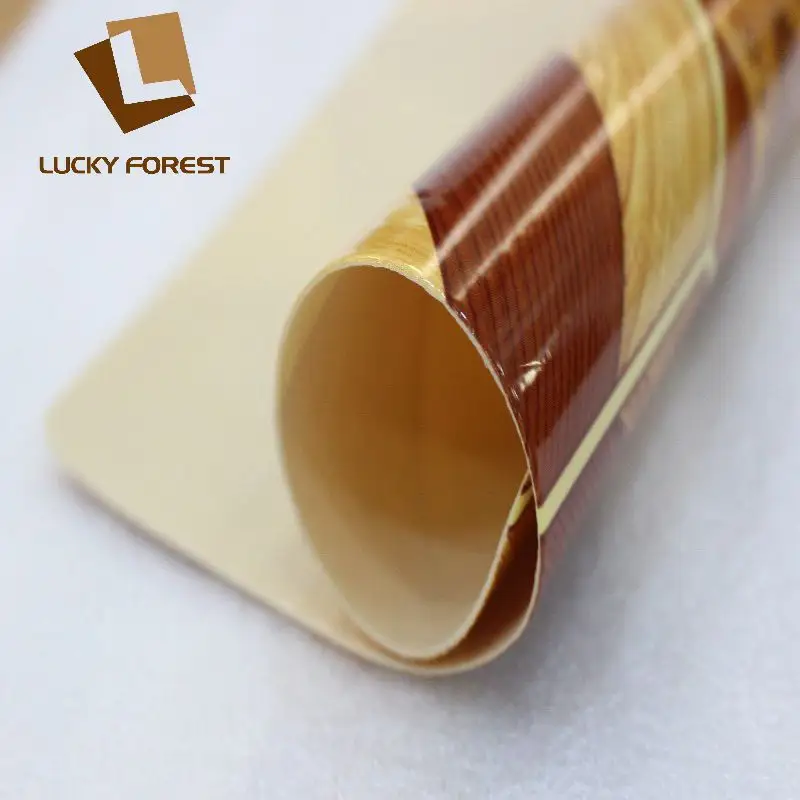
What are the long-term benefits of choosing pvc roll flooring?

Choosing PVC roll flooring offers several long-term benefits that make it an attractive option for various spaces.

Here are some of the key advantages:

1. Durability

  • Resistant to Wear and Tear: PVC flooring is highly durable and can withstand heavy foot traffic, making it ideal for residential and commercial settings.
  • Water Resistance: It is inherently water-resistant, which makes it suitable for areas prone to moisture, such as bathrooms and kitchens.

2. Low Maintenance

  • Easy to Clean: Regular sweeping and occasional mopping are often enough to keep it looking good, saving you time and effort.
  • Stain Resistance: PVC flooring is generally resistant to stains and spills, making it easier to maintain its appearance.

3. Cost-Effectiveness

  • Affordability: PVC roll flooring is often more affordable than other types of flooring, both in terms of material costs and installation.
  • Longevity: Its durability means that it has a long lifespan, reducing the need for frequent replacements.

4. Comfort and Insulation

  • Cushioned Feel: PVC flooring can offer a comfortable surface to walk on, reducing fatigue in areas where people stand for long periods.
  • Insulation Properties: It can provide some thermal insulation, making spaces warmer in colder climates.

5. Variety of Designs

  • Aesthetic Options: Available in a wide range of colors, patterns, and textures, PVC roll flooring can mimic the look of wood, stone, or tile, allowing for versatile design options.
  • Customization: It can be customized to fit specific design needs, enhancing the overall aesthetic of a space.

6. Eco-Friendly Options

  • Recyclable Materials: Many PVC flooring products are made from recyclable materials, and some manufacturers offer eco-friendly options.
  • Low VOC Emissions: Many modern PVC flooring products are designed to have low volatile organic compound (VOC) emissions, contributing to better indoor air quality.

7. Sound Absorption

  • Noise Reduction: PVC flooring can help reduce noise levels, making it a good choice for multi-story buildings or busy households.

Conclusion

Overall, PVC roll flooring combines durability, ease of maintenance, affordability, and aesthetic flexibility, making it a long-term investment for both residential and commercial applications. Its various benefits contribute to a comfortable and visually appealing environment.

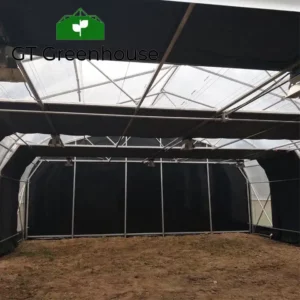
How to move a greenhouse with blackout system without dismantling it?

Moving a greenhouse with blackout system without dismantling it requires careful planning and execution to ensure the structure remains intact.

Here’s a step-by-step guide to help you through the process:

1. Assess the Greenhouse Structure

  • Check Stability: Ensure the greenhouse is structurally sound. Look for any signs of damage or weakness.
  • Evaluate Size and Weight: Determine the size and weight of the greenhouse to plan for moving equipment.

2. Gather Necessary Equipment

  • Lifting Equipment: Use hydraulic jacks, dollies, or a forklift to lift and move the greenhouse.
  • Moving Straps: Secure the structure with heavy-duty straps to prevent shifting during the move.
  • Protective Materials: Have padding or blankets to protect the greenhouse and blackout system during transport.

3. Prepare the Area

  • Clear Pathway: Ensure the route to the new location is clear of obstacles and debris.
  • Assess Ground Conditions: Ensure the ground is stable enough to support the greenhouse during the move.

4. Secure the Blackout System

  • Check the System: Ensure the blackout system (shades, curtains, etc.) is properly secured and will not be damaged during the move.
  • Roll Up or Secure: If possible, roll up or secure the blackout system to prevent it from dragging or getting caught during the move.

5. Lift the Greenhouse

  • Use Jacks or Dollies: Position jacks or dollies under the greenhouse’s frame. Lift it slowly and evenly to avoid stress on the structure.
  • Ensure Balance: Make sure the weight is evenly distributed to prevent tipping or damage.

6. Move the Greenhouse

  • Transporting: Carefully move the greenhouse to the new location, keeping it level and balanced.
  • Monitor the Blackout System: Continuously check that the blackout system remains secure and does not get damaged.

7. Settle the Greenhouse in the New Location

  • Lower the Structure: Once in position, lower the greenhouse gently onto its new foundation or base.
  • Check Alignment: Ensure the greenhouse is properly aligned and level.

8. Recheck the Blackout System

  • Inspect the System: Once the greenhouse is in place, check the blackout system for any damage or misalignment.
  • Reattach if Necessary: Make any necessary adjustments or reattachments to ensure the system functions correctly.

9. Final Adjustments

  • Secure the Greenhouse: Ensure all connections and supports are secure after moving.
  • Test the Blackout System: Conduct a test to ensure the blackout system operates as intended.

Conclusion

Moving a greenhouse with a blackout system without dismantling it requires careful planning, the right equipment, and attention to detail. By following these steps, you can successfully relocate your greenhouse while preserving its integrity and functionality.

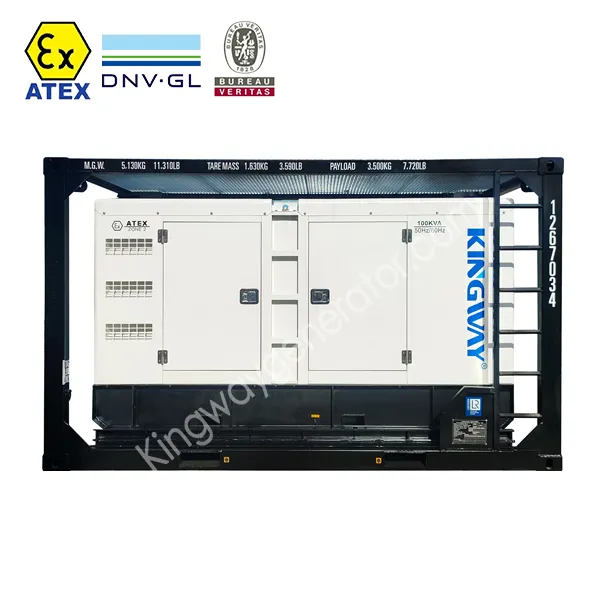
What are the signs of wear and tear in a diesel generator?

Signs of wear and tear in a china diesel generators can indicate potential issues that may affect its performance and reliability.

Here are some common indicators to watch for:

1. Unusual Noises

  • Knocking or Tapping Sounds: These may suggest internal component wear, such as bearings or pistons.
  • Excessive Vibration: Increased vibration can indicate imbalances or component failures.

2. Exhaust Smoke

  • Black Smoke: This can indicate incomplete combustion, which may result from fuel system issues or excessive fuel consumption.
  • Blue Smoke: This generally signifies oil burning, indicating potential problems with piston rings or valve seals.
  • White Smoke: This may indicate coolant entering the combustion chamber, suggesting a head gasket issue.

3. Oil Leaks

  • Visible Oil Puddles: Leaks around seals, gaskets, or connections can signal wear and may lead to low oil levels.
  • Oil Stains: Persistent oil stains on the generator or surrounding areas indicate potential leaks.

4. Cooling Issues

  • Overheating: Frequent overheating may indicate cooling system problems, such as a clogged radiator or low coolant levels.
  • Coolant Leaks: Visible leaks or low coolant levels can lead to overheating and engine damage.

5. Performance Issues

  • Reduced Power Output: A noticeable drop in power can indicate fuel system problems or internal wear.
  • Difficulty Starting: Increased difficulty starting, especially in cold weather, can suggest battery, fuel, or mechanical issues.

6. Fuel System Problems

  • Contaminated Fuel: Presence of sediment or water in the fuel can lead to poor performance and wear on injectors.
  • Clogged Filters: Frequent replacement of fuel filters can indicate an underlying issue with fuel quality or system integrity.

7. Electrical Issues

  • Dim or Flickering Lights: This may indicate electrical problems or issues with the alternator.
  • Battery Problems: Frequent dead batteries or slow cranking can signal wear in the electrical system.

8. Oil Quality

  • Dirty or Contaminated Oil: Dark or gritty oil can indicate excessive wear or contamination, necessitating more frequent oil changes.
  • Oil Pressure Issues: Low oil pressure readings can signify wear on bearings or oil pump problems.

9. Physical Damage

  • Cracks or Corrosion: Inspect for visible cracks or corrosion on the generator casing, which can compromise structural integrity.
  • Loose or Damaged Components: Check for loose bolts, damaged hoses, or worn belts that may affect performance.

10. Control Panel Alerts

  • Warning Lights: Illuminated warning lights on the control panel can indicate various issues, including low oil pressure, high temperature, or electrical faults.
  • Fault Codes: Digital displays may show error codes that can help diagnose internal problems.

Conclusion

Monitoring these signs of wear and tear in a chinese diesel generator supplier is essential for maintaining its performance and reliability. Regular inspections and maintenance can help identify issues early, preventing costly repairs and ensuring the generator operates efficiently.

Design a site like this with WordPress.com
Get started