Future advancements in block machinery for engineering applications are likely to focus on several key areas:
- Automation and Robotics: Further integration of automation and robotics will enhance efficiency and precision in block production, reducing reliance on manual labor and optimizing production processes.
- Innovative Materials: Exploration of new materials and additives to improve the performance, durability, and sustainability of blocks produced by machinery. This includes utilizing recycled materials or incorporating nanotechnology for enhanced properties.
- Smart Manufacturing: Implementation of smart technologies and IoT (Internet of Things) sensors to monitor machinery performance, optimize operations, and enable predictive maintenance for increased uptime and reduced downtime.
- Customization and Flexibility: Advancements that allow block-making machines to easily adapt to various block designs, sizes, and finishes, catering to the growing demand for customized construction solutions.
- Energy Efficiency: Continued focus on energy-efficient designs and processes to reduce the environmental impact of block production machinery, potentially incorporating renewable energy sources into operation.
- Modularity and Scalability: Development of modular systems that allow for easy expansion or adjustment of production capacities, enabling scalability to meet varying demand levels.
- Improved Quality Control: Integration of advanced quality control measures, including real-time monitoring and inspection systems, to ensure consistently high-quality block production.
- Advanced Software and Simulation: Enhanced software tools and simulation technologies that assist in design optimization, material selection, and process simulation to improve block quality and production efficiency.
- Environmentally Friendly Practices: Emphasis on eco-friendly manufacturing practices, such as reducing waste, minimizing water usage, and lowering carbon emissions throughout the block production process.
- Integration with Prefabrication and Construction Methods: Further integration of block machinery with prefabrication and construction methods to streamline building processes and support innovative construction techniques.
- Collaborative and Adaptive Systems: Development of adaptive systems that allow block machinery to collaborate seamlessly with other equipment or robots, facilitating a more integrated and efficient manufacturing process.
These advancements aim to make block machinery more efficient, versatile, and sustainable, catering to the evolving needs of the construction industry for reliable and innovative building materials.
How are block-making machines tailored for specific construction regulations and standards?
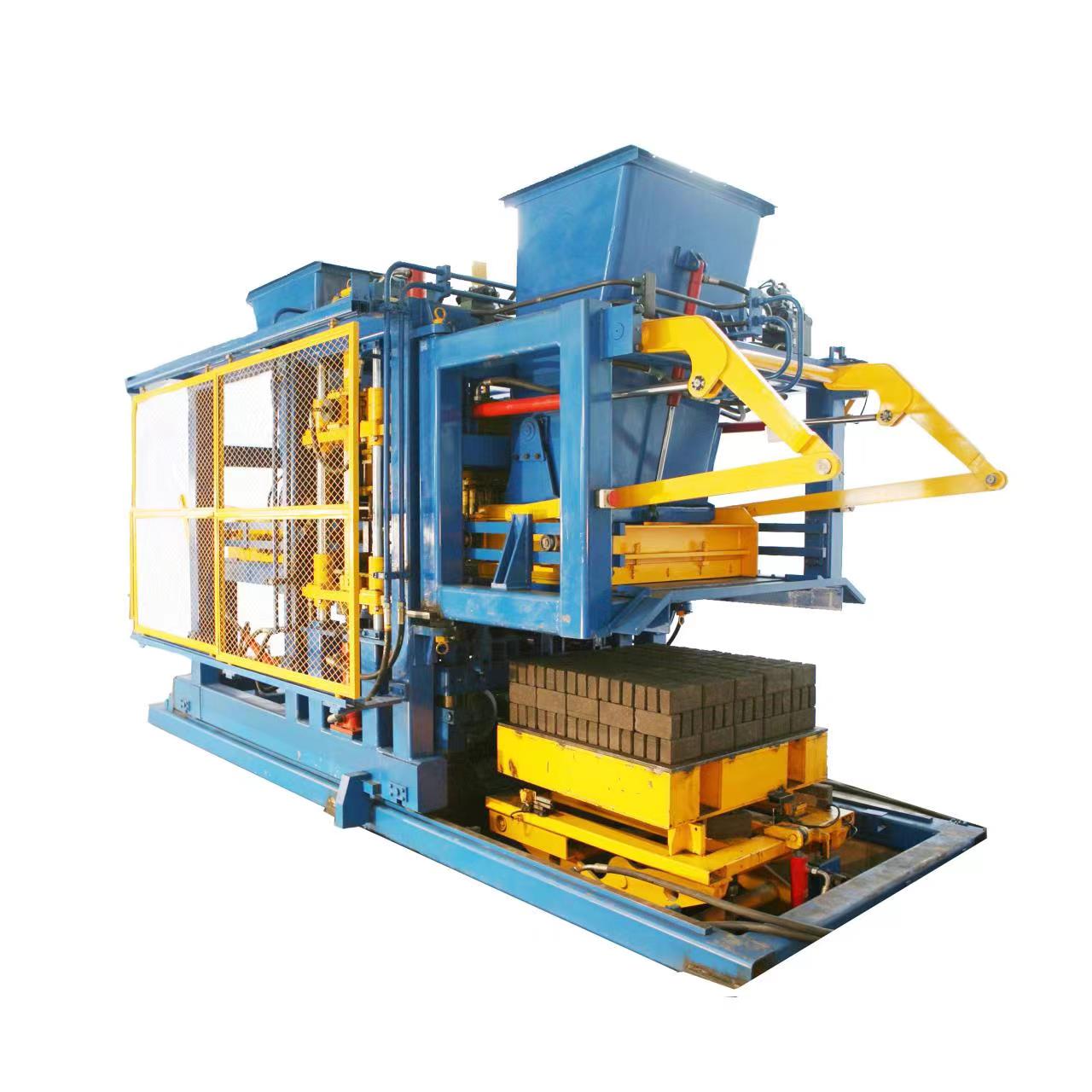
Block-making machines are adapted and tailored to comply with specific construction regulations and standards through various measures:
- Material Compliance: Manufacturers ensure that block-making machines are capable of processing materials that meet construction standards and regulations. This includes using aggregates, cement, and other components that conform to specified quality and strength requirements.
- Design Standards: Block-making machines are engineered to produce blocks that meet design standards for dimensions, compressive strength, density, and durability as outlined by construction regulations. block machinery Machines are calibrated to achieve consistent block properties.
- Quality Control Systems: Incorporation of quality control mechanisms within the machine ensures adherence to regulations. These systems may include sensors, monitoring devices, and automated processes to verify and maintain block quality during production.
- Precision and Accuracy: Machines are calibrated and designed to achieve precise block dimensions and shapes, ensuring compliance with construction regulations regarding tolerances and variations.
- Documentation and Certification: Manufacturers provide documentation certifying that their block-making machines comply with specific construction standards. This may involve obtaining certifications or adhering to industry-specific regulations.
- Safety Features: Machines are equipped with safety mechanisms to ensure compliance with occupational safety regulations. This includes emergency stop buttons, guards, and interlocks to prevent accidents during operation.
- Environmental Standards: Block-making machines are designed with environmental considerations in mind. They may incorporate features to minimize waste, reduce energy consumption, and adhere to environmental regulations related to emissions and sustainability.
- Testing and Validation: Manufacturers conduct testing and validation of the machines to ensure that the blocks produced meet or exceed the standards and regulations set by relevant construction authorities.
- Adaptability and Customization: Machines can be customized or adapted to produce blocks that align with specific regional or local construction regulations, catering to different building codes or preferences.
By integrating these measures into the design, production, and operation of block-making machines, manufacturers ensure that the blocks produced meet the required construction regulations and standards, ensuring their suitability and compliance for use in various construction projects.




 Home
Home 