How can the high quality chain block ‘s user-friendly controls enhance productivity?

The user-friendly controls of a high-quality chain block can enhance productivity in several ways:

  1. Intuitive Operation: Ergonomically designed controls with clear labeling and intuitive button/lever placements allow operators to quickly understand and confidently use the chain block, minimizing the learning curve.
  2. Precise Load Handling: The responsive and smooth controls enable operators to precisely position and maneuver loads, improving overall handling accuracy and efficiency.
  3. Reduced Fatigue: The ergonomic design and effortless control movements help reduce operator strain and fatigue, high quality chain block supplier allowing them to work for longer periods without compromising safety or performance.
  4. Improved Workflow Integration: User-friendly controls enable seamless integration of the chain block into existing material handling workflows, streamlining overall operations.
  5. Reduced Errors: Intuitive controls and clear feedback mechanisms minimize the potential for operator errors, such as unintended movements or incorrect load positioning, enhancing productivity.
  6. Enhanced Multitasking: When controls are designed for easy, single-handed operation, operators can more effectively multitask and coordinate their movements, increasing overall productivity.
  7. Faster Load Handling: Responsive and precise controls allow operators to lift, lower, and position loads more quickly, reducing cycle times and increasing throughput.
  8. Simplified Training: The user-friendly nature of the controls makes it easier to train new operators, enabling faster onboarding and reducing the time required to achieve proficiency.
  9. Improved Operator Confidence: Intuitive and reliable controls instill confidence in operators, china manual chain block hoist allowing them to work more efficiently and safely, without hesitation or uncertainty.
  10. Reduced Maintenance Needs: User-friendly controls that are well-designed and constructed tend to require less frequent maintenance, further contributing to improved productivity by minimizing downtime.

By enhancing the overall user experience through thoughtfully designed, ergonomic controls, a high-quality chain block can help boost productivity, streamline material handling workflows, and ultimately improve the overall efficiency of the operation.

What are the maintenance-reducing advantages of the Mini Electric Hoist’s low-wear components?

The mini electric hoist’s use of low-wear components offers several key advantages that can help reduce maintenance requirements:

  1. Extended Component Lifespan: Components like the gearbox, brake, and other moving parts are designed with materials and engineering solutions that minimize wear and tear, significantly extending their operational lifespans.
  2. Reduced Replacement Frequency: The extended component lifespan translates to fewer part replacements needed over the hoist’s lifetime, reducing the time and cost associated with maintenance and downtime.
  3. Decreased Lubrication Needs: Many of the low-wear components in the mini electric hoist require less frequent lubrication, simplifying maintenance routines and reducing the consumption of lubricants.
  4. Simplified Inspections: The robust, low-wear design of the components makes it easier to conduct visual inspections and identify any potential issues, Mini Electric Hoist allowing for proactive maintenance.
  5. Increased Reliability: By reducing the rate of component degradation, the mini electric hoist’s low-wear design enhances overall system reliability, minimizing unexpected breakdowns and unplanned downtime.
  6. Reduced Maintenance Costs: The extended component lifespans and decreased replacement frequency translate to lower maintenance costs over the hoist’s lifetime, providing long-term cost savings.
  7. Improved Operational Efficiency: With fewer maintenance interventions required, the mini electric hoist can operate more consistently, improving productivity and workflow efficiency.
  8. Enhanced Safety: The reduced maintenance needs and increased reliability of the low-wear components help maintain a safer operating environment, as the risk of sudden failures or malfunctions is diminished.
  9. Suitability for Harsh Environments: The robust, low-wear design of the mini electric hoist’s components makes it better suited for use in demanding, heavy-duty applications or harsh environmental conditions.
  10. Sustainable Maintenance Practices: The decreased maintenance requirements and longer component lifespans contribute to more sustainable maintenance practices, reducing material consumption and waste.

By incorporating low-wear components, the mini electric hoist can provide users with significant advantages in terms of reduced maintenance, increased reliability, and improved overall operational efficiency.

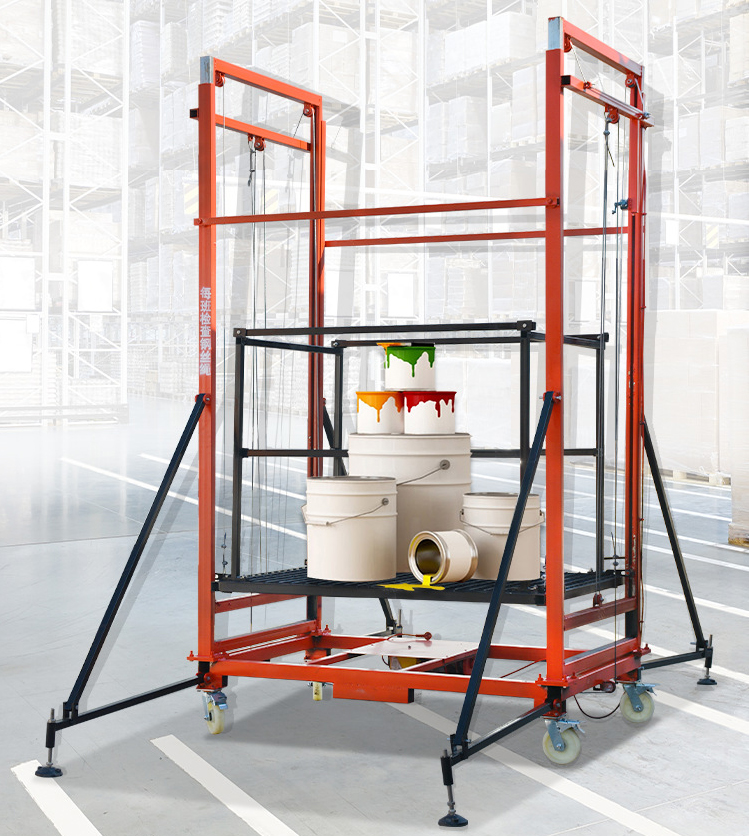
What safety features are typically incorporated into automatic scaffolding lift?

Automatic scaffolding lifts typically incorporate the following key safety features:

  1. Overspeed Protection: The lift is equipped with sensors and control mechanisms that detect and prevent excessive lifting speeds, reducing the risk of sudden, uncontrolled movements that could lead to accidents.
  2. Overload Protection: Load sensors monitor the weight on the lift platform and automatically prevent the system from lifting loads that exceed the rated capacity, safeguarding against potential collapses or instability.
  3. Anti-Drift Mechanism: This feature ensures the lift platform remains stationary and secure when not in use, preventing unintended movements or drifting that could compromise worker safety.
  4. Emergency Stop Buttons: Strategically placed emergency stop buttons allow workers to immediately halt the lift’s operation in the event of an emergency, providing a crucial safeguard.
  5. Fail-Safe Braking System: The lift is designed with a reliable braking system that can safely stop and hold the platform in place, even in the event of a power failure or other system malfunction.
  6. Entrapment Protection: Sensors or physical barriers are incorporated to detect and prevent the platform from closing or descending in a way that could potentially trap or crush workers.
  7. Stability and Anchoring Systems: The lift is equipped with robust anchoring mechanisms and stability features, automatic scaffolding lift such as outriggers or stabilizing legs, to ensure the entire assembly remains secure and steady during operation.
  8. Safety Railings and Guarding: The lift platform is surrounded by sturdy, compliant safety railings and guards to prevent workers from falling off or becoming caught between the platform and surrounding structures.
  9. Operator Training and Controls: Comprehensive operator training programs and intuitive, well-labeled control interfaces help ensure the lift is used safely and in accordance with established protocols.
  10. Periodic Inspection and Maintenance: Regular inspections, maintenance, and safety checks help identify and address any potential issues or wear and tear, maintaining the lift’s operational integrity and safety.

These comprehensive safety features work together to protect workers, minimize risks, and promote the safe and reliable operation of automatic scaffolding lifts in various construction and maintenance applications.

What instances would the use of a High-Quality bulldozer track pad bolts nuts be preferred ?

The use of high-quality bulldozer track pad bolts and nuts would be preferred in the following instances:

  1. Demanding Terrain and Conditions:
    • When operating the bulldozer in challenging environments, such as rugged construction sites, rocky or uneven terrain, or areas with high soil compaction, high-quality track pad fasteners are essential.
    • These robust components can withstand the increased stresses and wear associated with demanding operating conditions, reducing the risk of track pad failure or loosening.
  2. Prolonged Heavy-Duty Use:
    • For bulldozers that are routinely used for extended periods for tasks like mass earthmoving, land clearing, or site preparation, high-quality track pad bolts and nuts are preferred.
    • The enhanced durability and resistance to fatigue of these components ensure they can maintain the necessary track tension and integrity over the machine’s prolonged operational cycles.
  3. Safety-Critical Applications:
    • In situations where the bulldozer’s operation is critical to the safety of personnel or the integrity of nearby structures, the use of high-quality track pad fasteners is crucial.
    • These stronger and more reliable components help prevent unexpected track failures or disengagement,High-Quality bulldozer track pad bolts nuts which could otherwise lead to serious incidents.
  4. Frequent Track Maintenance:
    • Bulldozers that require frequent track maintenance, such as track pad replacement or adjustment, would benefit from high-quality track pad bolts and nuts.
    • These components are designed to withstand repeated tightening, loosening, and retightening without compromising their integrity, reducing the overall maintenance burden.
  5. Harsh Environmental Conditions:
    • In environments with extreme temperatures, heavy rainfall, or exposure to corrosive elements, high-quality track pad fasteners are preferred to maintain their structural integrity and resistance to weathering.
    • This helps ensure the continued reliable performance of the bulldozer’s track system, even in challenging environmental conditions.
  6. High-Value Asset Protection:
    • For high-value or mission-critical bulldozers, the use of premium-grade track pad bolts and nuts helps safeguard the machine’s overall condition and minimize the risk of costly repairs or downtime.
    • Investing in high-quality components can contribute to the long-term preservation of the bulldozer’s value and operational capabilities.

By prioritizing the use of high-quality track pad bolts and nuts, bulldozer operators and fleet managers can enhance the machine’s performance, safety, and longevity, particularly in demanding or critical applications.

What role does a bulldozer track link group play in the construction of foundations, slabs structures?

The bulldozer track link group plays a crucial role in the construction of foundations, slabs, and other structures in the following ways:

  1. Site Preparation:
    • The powerful bulldozer equipped with its track link assembly is often the first piece of equipment used to prepare a site for construction.
    • The track links provide the necessary traction and mobility to clear the site of vegetation, debris, and uneven terrain, creating a level and compacted surface for subsequent construction activities.
  2. Soil Compaction:
    • The weight and downward force exerted by the bulldozer’s track links help compact the soil, improving its load-bearing capacity and stability.
    • Proper soil compaction is essential for the long-term integrity and performance of foundations, slabs, and other structures built on the site.
  3. Excavation and Grading:
    • The bulldozer’s track link assembly enables the machine to maneuver efficiently, dig, and move large volumes of soil, rock, and other materials during the excavation process.
    • This helps create the necessary space and proper elevations for the construction of foundations, basement levels, and other below-grade structures.
  4. Access Road Construction:
    • Bulldozers with their track link assemblies can be utilized to build temporary or permanent access roads within the construction site.
    • These access roads facilitate the movement of personnel, equipment, and materials, ensuring efficient logistics and support for the construction of foundations, China OEM bulldozer track link group slabs, and other structures.
  5. Site Leveling and Grading:
    • The track link assembly’s ability to provide precise control and adjustability allows bulldozer operators to perform accurate grading and leveling of the site.
    • This ensures the proper drainage patterns, slopes, and contours required for the construction of foundations, slabs, and other structures.
  6. Load Distribution:
    • The wide and continuous track links of the bulldozer help distribute the machine’s weight evenly across the soil surface, reducing the risk of soil deformation or bearing capacity issues.
    • This is particularly important when operating the bulldozer in close proximity to existing foundations or structures, as it helps minimize the impact on the surrounding soil conditions.

By effectively utilizing the capabilities of the bulldozer’s track link assembly, construction professionals can efficiently prepare the site, excavate, grade, and create a stable foundation for the successful construction of various structures, including foundations, slabs, and more.

What operational safety considerations are important for the safe use of a high-powered bulldozer track link assembly?

When operating a high-powered bulldozer, the safety of the track link assembly is of paramount importance.

Here are some key operational safety considerations:

  1. Proper Inspection and Maintenance:
    • Regularly inspect the track links, pins, and bushings for any signs of wear, cracks, or damage.
    • Adhere to the manufacturer’s recommended maintenance schedules for track components, including lubrication, tensioning, and replacement.
    • Ensure all track fasteners, such as bolts and nuts, are properly tightened to the specified torque values.
  2. Track Alignment and Tensioning:
    • Maintain the correct track alignment and tension to prevent premature wear, track derailment, or excessive strain on the components.
    • Follow the manufacturer’s guidelines for adjusting track tension and monitor it regularly, especially after extended operation or when working on uneven terrain.
  3. Cautious Speed and Maneuverability:
    • Operate the bulldozer at appropriate speeds, particularly when navigating turns, slopes, or obstacles, to avoid excessive stress on the track assembly.
    • Maneuver the machine carefully, avoiding sudden stops, starts, or sharp turns that could strain the track components.
  4. Hazard Awareness and Avoidance:
    • Be aware of potential hazards, China OEM bulldozer track link assembly such as ditches, rocks, or debris, that could damage the track assembly if encountered at high speeds or with improper technique.
    • Adjust the machine’s operation and speed to suit the terrain and environmental conditions to minimize the risk of track-related incidents.
  5. Operator Training and Competence:
    • Ensure that only trained and competent operators are permitted to operate the bulldozer, with a thorough understanding of its capabilities, limitations, and safety protocols.
    • Provide ongoing training and refresher courses to keep operators up-to-date on best practices for safe and efficient track assembly management.
  6. Emergency Response Planning:
    • Develop and implement comprehensive emergency response plans in the event of a track-related failure or incident, including procedures for safely stopping the machine and securing the work area.
    • Equip the work site with appropriate tools, spare parts, and trained personnel to facilitate quick and effective emergency repairs, if necessary.

By prioritizing these operational safety considerations, bulldozer operators can minimize the risks associated with the track link assembly, ensuring the safe and efficient use of the machine on the job site.

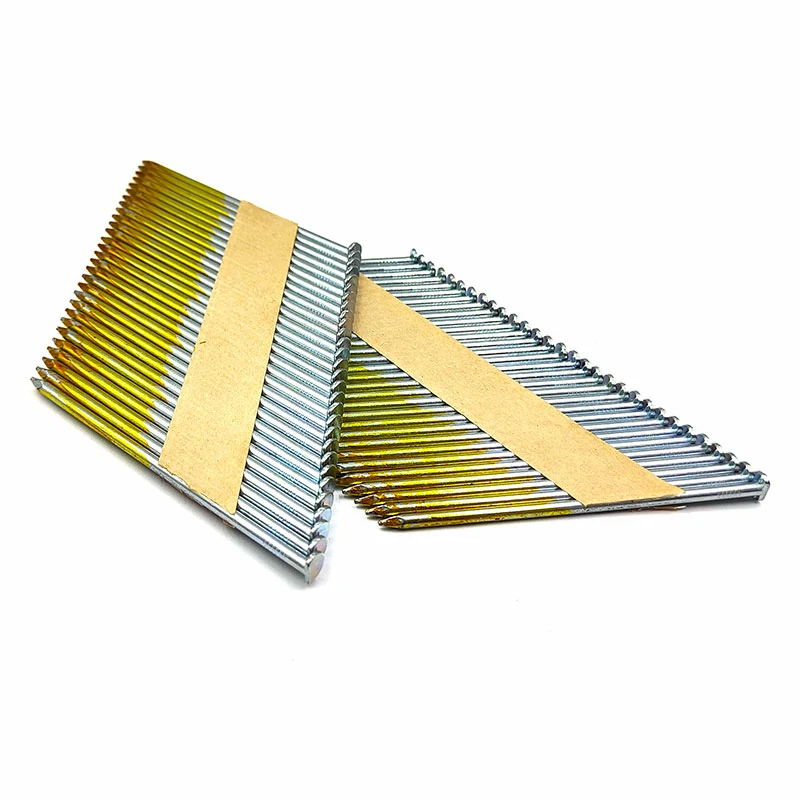
What is the typical lifespan of clipped head framing nails in various environments?

The typical lifespan of clipped head framing nails can vary depending on several factors, including the material composition, coating, installation method, environmental conditions, and maintenance practices.

Here’s a general overview:

  1. Material Composition: Clipped head framing nails are typically made from high-strength steel, which provides good overall durability and resistance to bending or breakage. The specific alloy composition and manufacturing process can affect the nail’s lifespan, with higher-quality materials generally offering longer-lasting performance.
  2. Coating: Some clipped head framing nails may be coated with corrosion-resistant materials such as zinc or polymer coatings to enhance their durability and resistance to moisture. These coatings help protect the nails from rust and corrosion, prolonging their lifespan in outdoor or high-moisture environments.
  3. Installation Method: Proper installation techniques are crucial for maximizing the lifespan of clipped head framing nails. Ensuring that the nails are driven fully into the substrate at the correct angle and depth helps create a secure bond between the nail and the material, minimizing the risk of loosening, corrosion, or premature failure over time.
  4. Environmental Conditions: Environmental factors such as exposure to moisture, temperature fluctuations, UV radiation, and corrosive substances can significantly impact the lifespan of clipped head framing nails. clipped head framing nails Nails installed in outdoor environments or areas prone to moisture accumulation may experience accelerated corrosion and deterioration compared to those installed indoors or in dry conditions.
  5. Maintenance: Regular maintenance and inspection of clipped head framing nails can help prolong their lifespan and prevent premature failure. This may involve replacing damaged or corroded nails, applying corrosion inhibitors, or reinforcing the fastening as needed to maintain structural integrity over time.

Overall, the lifespan of clipped head framing nails can vary widely depending on the specific application and environmental conditions. While high-quality nails installed properly and maintained regularly can last for many years, factors such as exposure to moisture, temperature fluctuations, and corrosive substances can significantly impact their durability and longevity. It’s essential to consider these factors when selecting and installing clipped head framing nails to ensure optimal performance and longevity in various environments.

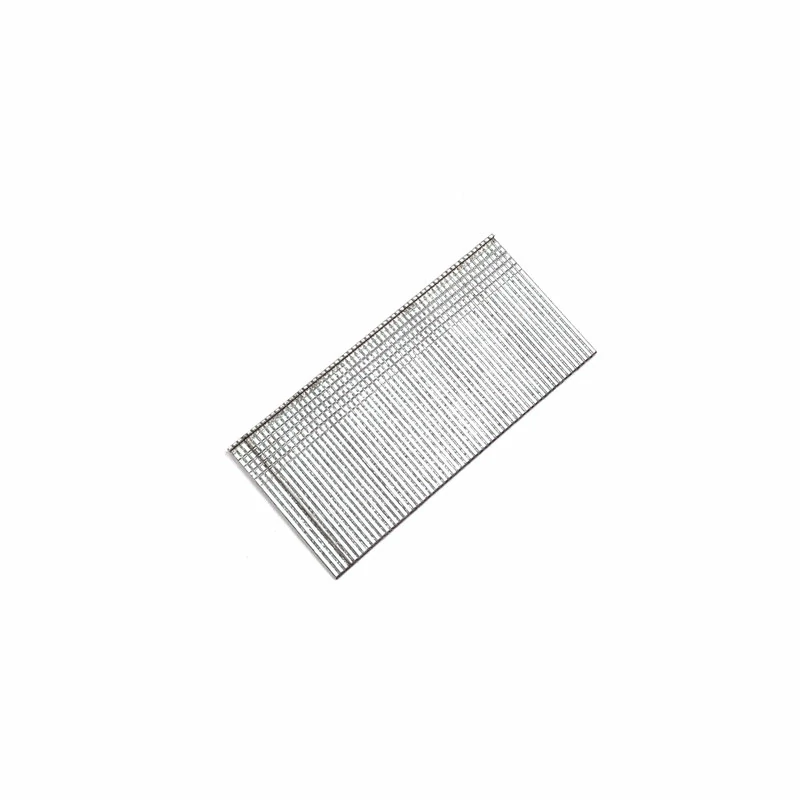
How do 21 degree ring shank nails perform in terms of splitting wood?

21-degree ring shank nails are designed to provide excellent resistance to splitting wood due to their unique features and design characteristics.

Here’s how they typically perform:

  1. Ring Shank Design: Ring shank nails feature a series of concentric rings along the length of the nail shaft, which provide increased holding power and resistance to withdrawal forces. The rings create friction between the nail and the wood fibers, helping to prevent the nail from backing out and reducing the likelihood of splitting.
  2. Increased Holding Power: The ring shank design of these nails increases their holding power compared to smooth shank nails. As the nail is driven into the wood, the rings compress the surrounding fibers, creating a tighter grip and minimizing the risk of splitting, especially in dense or hardwoods.
  3. Reduced Lateral Movement: The rings on the nail shaft also help to minimize lateral movement or twisting once the nail is driven into the wood. This stability prevents the wood fibers from being displaced or forced apart, further reducing the risk of splitting during and after installation.
  4. Proper Sizing and Installation: Using the correct size and length of 21-degree ring shank nails for the specific application is crucial for minimizing the risk of splitting wood. 21 degree ring shank nails Additionally, ensuring that the nails are driven straight and fully into the wood without excessive force can help prevent unnecessary stress on the wood fibers and reduce the likelihood of splitting.
  5. Application Considerations: While 21-degree ring shank nails are generally effective at reducing splitting in wood, it’s essential to consider the type and condition of the wood being fastened. Some woods, such as oak or maple, are more prone to splitting due to their density and grain structure. In these cases, pre-drilling pilot holes or using specialized fasteners may be necessary to prevent splitting.

Overall, 21-degree ring shank nails are an excellent choice for applications where splitting wood is a concern. Their ring shank design provides increased holding power and resistance to withdrawal forces, helping to prevent splitting and ensure a secure and durable fastening solution. However, proper sizing, installation techniques, and consideration of the wood type are essential for maximizing their effectiveness and minimizing the risk of splitting.

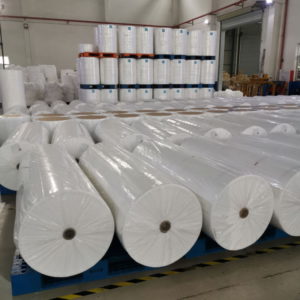
How does the PP S Spunbond Fabric process ensure chemical compatibility with foam concentrates?

The PP (Polypropylene) S Spunbond Fabric process involves the production of nonwoven fabric using spunbond technology with polypropylene as the primary material. While the PP S Spunbond Fabric process itself doesn’t directly interact with foam concentrates used in firefighting, the choice of polypropylene as the material contributes to chemical compatibility. Here’s how:

  1. Inherent Chemical Resistance of Polypropylene:
    • Polypropylene is known for its excellent chemical resistance. It is inherently resistant to a wide range of chemicals, including many of those found in foam concentrates used for firefighting. This resistance helps prevent reactions or degradation of the fabric when it comes into contact with foam concentrates.
  2. Non-reactive Nature of Spunbond Process:
    • The spunbond process itself is a mechanical process that involves extruding molten polypropylene through fine spinnerets to form continuous filaments. This process is non-reactive and does not introduce chemicals or additives that could adversely interact with foam concentrates.
  3. Lack of Binders or Resins:
    • Unlike some other nonwoven fabric production methods, spunbond fabric typically does not involve the use of binders or resins. Binders and resins could potentially introduce chemicals that might not be compatible with foam concentrates. The absence of these additives contributes to the chemical compatibility of PP S Spunbond Fabric.
  4. Minimal Additives in Polypropylene Formulation:
    • The formulation of polypropylene used in the spunbond process is designed to have minimal additives. The simplicity of the material composition reduces the likelihood of introducing substances that could negatively impact the chemical compatibility with foam concentrates.
  5. Chemical Inertness of Finished Fabric:
    • The finished PP S Spunbond Fabric retains the chemical inertness of polypropylene. This means that the fabric, once produced, is unlikely to react with or be affected by the foam concentrates that it may come into contact with during firefighting operations.
  6. Testing and Quality Control:
    • Manufacturers of PP S Spunbond Fabric may conduct testing and quality control measures to ensure the chemical compatibility of the fabric with foam concentrates. china PP S Spunbond Fabric This may involve subjecting samples to simulated conditions to assess any potential reactions.
  7. Compliance with Industry Standards:
    • The production process and choice of materials in PP S Spunbond Fabric may be designed to comply with industry standards and regulations related to firefighting equipment. These standards often include considerations for chemical compatibility.

It’s important to note that while PP S Spunbond Fabric is designed to be chemically compatible with foam concentrates, the overall performance in firefighting applications involves the entire system, including hoses, monitors, and other equipment. Manufacturers may provide guidelines and recommendations for the use of PP S Spunbond Fabric in conjunction with specific foam concentrates to ensure optimal performance and safety.

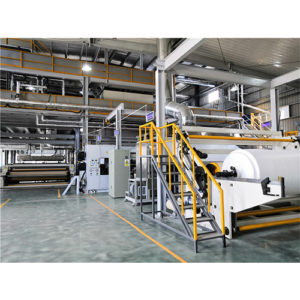
How does the choice of materials in SMS Spunmelt machines align with industry standards and regulations?

The choice of materials in SMS Spunmelt machines is critical to ensuring compliance with industry standards and regulations governing the production of nonwoven fabrics.

Here are ways in which material selection aligns with industry standards:

  1. Safety Standards:
    • Materials used in SMS Spunmelt machines must adhere to safety standards applicable to manufacturing equipment. Compliance with standards such as ISO (International Organization for Standardization) and relevant safety regulations ensures the safety of operators and the overall workplace.
  2. Chemical Regulations:
    • The materials selected for SMS Spunmelt machines must comply with regulations regarding chemical composition. This is particularly important for components that come into contact with polymers, additives, or processing aids used in the production of nonwoven fabrics.
  3. Environmental Regulations:
    • SMS Spunmelt machines must align with environmental regulations regarding emissions, waste disposal, and overall environmental impact. The materials chosen should not pose environmental risks during manufacturing or throughout the lifecycle of the equipment.
  4. Hygiene and Medical Standards:
    • If SMS nonwoven fabrics produced by Spunmelt machines are intended for medical or hygiene applications, the materials used must meet stringent standards for cleanliness, SMS Spunmelt Machine biocompatibility, and absence of harmful substances. Compliance with standards such as FDA (U.S. Food and Drug Administration) regulations may be required.
  5. Electrical Safety Standards:
    • Components involving electrical systems in SMS Spunmelt machines must comply with electrical safety standards. Materials used for electrical enclosures, wiring, and insulation must meet relevant standards to ensure safe operation.
  6. Material Certifications:
    • Manufacturers often obtain certifications for the materials used in SMS Spunmelt machines. These certifications may include documentation from material suppliers, ensuring that the materials meet specific quality and safety standards.
  7. Fire Safety Regulations:
    • Fire safety is a crucial consideration, especially if the SMS Spunmelt machines are used in environments where fire hazards exist. Materials should be chosen to meet fire safety standards and regulations to prevent or minimize the risk of fires.
  8. Quality Management Systems:
    • Compliance with quality management systems, such as ISO 9001, ensures that the materials and manufacturing processes in SMS Spunmelt machines adhere to recognized quality standards. This contributes to the overall reliability and performance of

the equipment.

  1. Mechanical Standards:
    • Materials used in critical components of SMS Spunmelt machines, such as frames, rollers, and structural elements, must meet mechanical standards to ensure durability and reliability. Compliance with standards such as ASTM (American Society for Testing and Materials) may be relevant.
  2. Corrosion Resistance Standards:
    • If the SMS Spunmelt machines are used in environments where corrosion is a concern, materials must meet corrosion resistance standards. This is particularly important for components exposed to water or corrosive substances.
  3. Material Traceability:
    • Industry standards often require traceability of materials used in manufacturing equipment. Manufacturers of SMS Spunmelt machines may need to provide documentation ensuring traceability of materials back to their sources.
  4. International Trade Regulations:
    • If SMS Spunmelt machines are manufactured for international markets, compliance with trade regulations and standards in different regions is essential. This includes adherence to standards established by organizations such as the European Union, China Compulsory Certification (CCC), or other relevant regional bodies.
  5. Personal Protective Equipment (PPE) Standards:
    • If the operation of SMS Spunmelt machines involves personnel working with specific protective equipment, the materials used in the design and construction of the equipment should align with PPE standards.
  6. Noise and Vibration Standards:
    • Compliance with standards related to noise levels and vibration in industrial equipment may be required. Materials chosen for components that influence noise and vibration should contribute to meeting these standards.
  7. Packaging and Labeling Regulations:
    • Materials used in the packaging and labeling of SMS Spunmelt machines must comply with regulations regarding information accuracy, safety warnings, and environmental considerations.
  8. Recycling and Sustainability Standards:
    • As sustainability becomes a more significant concern, manufacturers may consider materials that align with recycling standards and overall environmental sustainability goals.
  9. Occupational Health and Safety Standards:
    • The materials used in SMS Spunmelt machines must comply with occupational health and safety standards to ensure a safe working environment for operators and maintenance personnel.

By carefully selecting materials that align with these industry standards and regulations, manufacturers ensure that SMS Spunmelt machines meet the necessary safety, quality, and environmental requirements. This not only enhances the reliability and functionality of the equipment but also contributes to the overall compliance of the nonwoven fabric production process.

Design a site like this with WordPress.com
Get started